Apple Drops 7 Products in 3 Days. Here’s What to Buy.

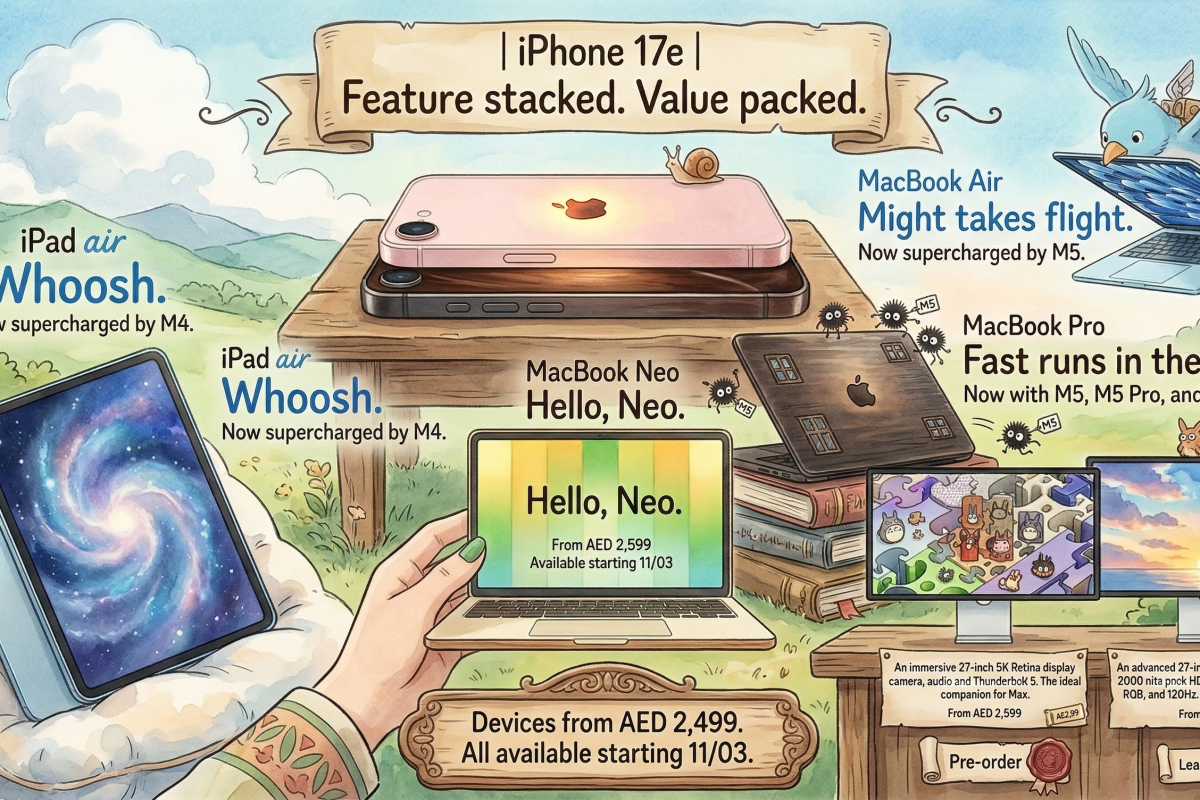
Okay, let me just say this upfront โ€” Apple absolutely went off this week. Seven products in three days. Seven. Tim Cook wasn’t kidding when he teased a “big week ahead.” If you blinked, you missed something. So let’s break it all down, from the budget-friendly to the eye-wateringly expensive, and I’ll tell you exactly what I think of each.
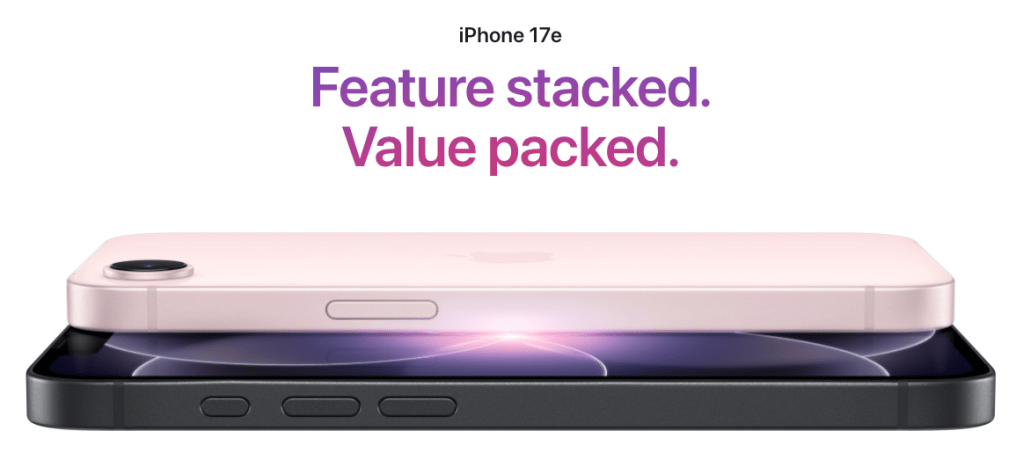

iPhone 17e โ€” Available March 11 | Image: Apple UAE

๐Ÿ“ฑ iPhone 17e โ€” The Budget iPhone That Actually Makes Sense

From AED 2,599 (256GB) | AED 3,449 (512GB) | Available: March 11

The “e” line has had a rough reputation. The old SE felt like Apple was serving leftovers on a silver platter. But the iPhone 17e? This one’s genuinely compelling.

You’re getting the same A19 chip as the full iPhone 17 โ€” that’s not a watered-down hand-me-down, that’s Apple’s latest silicon. Add MagSafe support (finally, on a budget model!), Apple’s second-gen C1X modem for faster 5G, and 256GB of base storage โ€” double what the 16e offered at the same starting price. Colours are black, white, and a new soft pink that, I have to admit, is pretty gorgeous. Design is unchanged from the 16e, which isn’t necessarily a bad thing.

The verdict: If you or someone you know is on an older iPhone and doesn’t want to spend AED 3,400+, the 17e is the upgrade. Stop sleeping on it. (The smart choice โœ“)


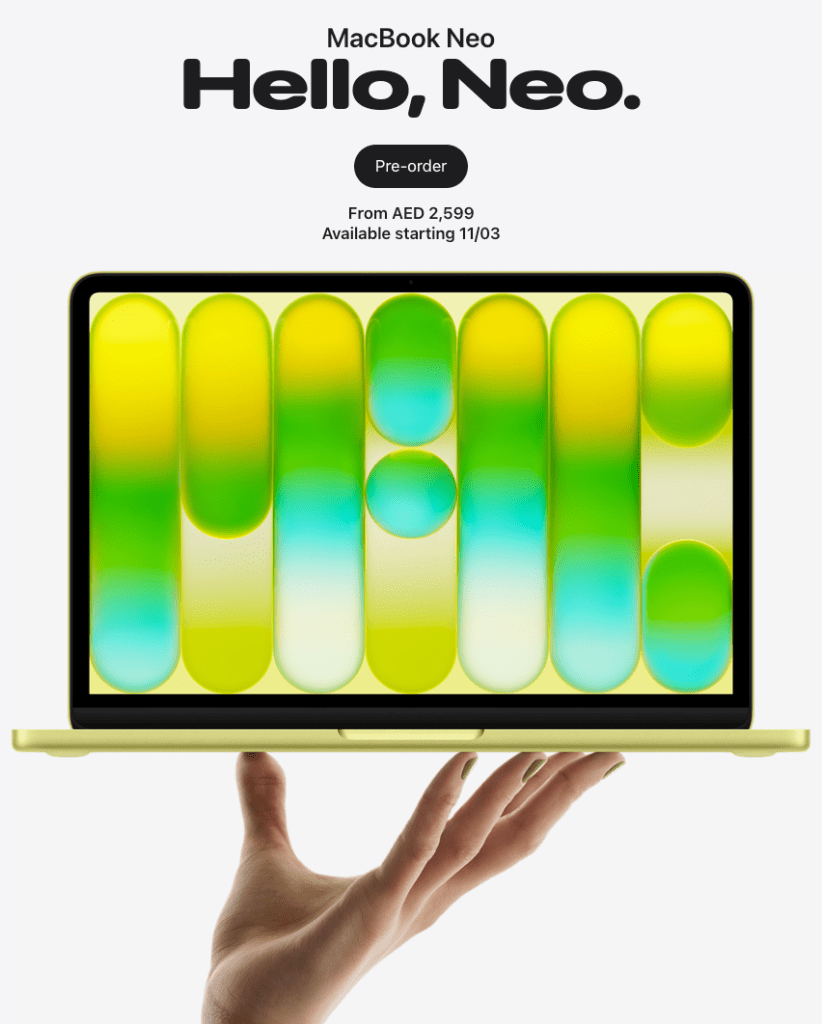
MacBook Neo โ€” Apple’s most affordable Mac ever | Image: Apple UAE

๐Ÿ’ป MacBook Neo โ€” Something Genuinely New From Apple (Finally!)

From AED 2,599 (256GB) | AED 2,999 (512GB + Touch ID) | Available: March 11

This is the one I’m most excited about. Apple just created an entirely new Mac category โ€” a AED 2,599 MacBook powered by the A18 Pro chip. That’s the same chip from the iPhone 16 Pro. This is the first time Apple has ever put a phone chip in a Mac, and it’s genuinely fascinating.

The MacBook Neo is a 13-inch laptop available in four colours โ€” Silver, Blush, Citrus, and Indigo โ€” promising all-day battery life with the full macOS Tahoe experience. At roughly half the price of the MacBook Air, that’s remarkable. But in the spirit of keeping it real, there are trade-offs: no backlit keyboard, no MagSafe charging, the webcam doesn’t support Center Stage, and you’re locked to 8GB RAM with no upgrade path.

The verdict: For a student or someone who just needs a reliable Mac for everyday tasks, this is an absolute steal. Push your machine harder and you’ll want to step up. (Just take my money! โ€” if you’re a student)


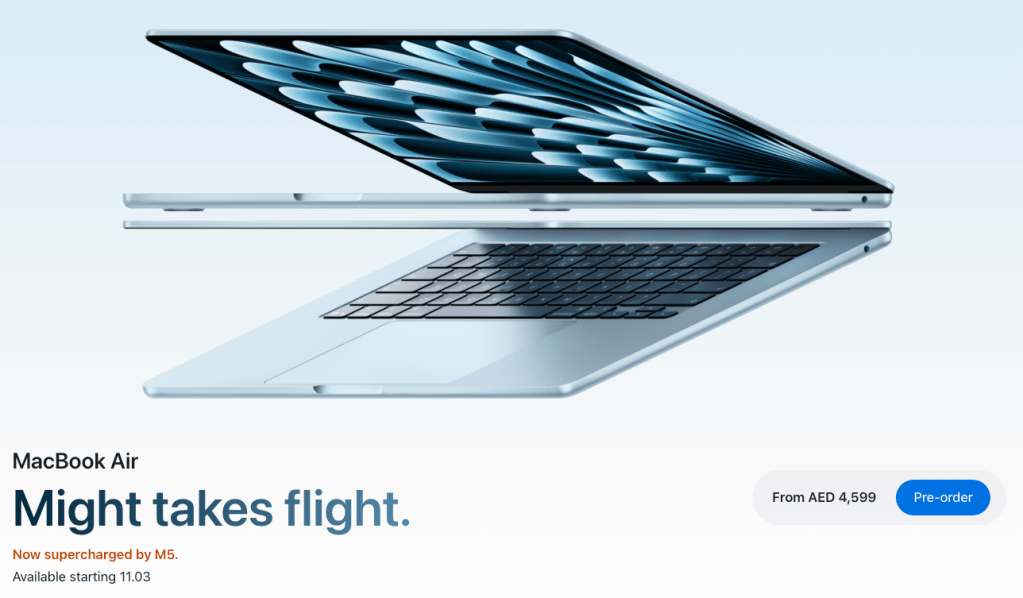
MacBook Air M5 โ€” Available in sky blue, midnight, starlight and silver | Image: Apple UAE

๐Ÿ’ป MacBook Air M5 โ€” Still the Best Laptop for Most People

From AED 4,599 (13″) | From AED 5,499 (15″) | Available: March 11

The MacBook Air got the M5 treatment, and with it comes double the base storage โ€” 512GB standard now, Apple’s new N1 wireless chip for Wi-Fi 7 and Bluetooth 6, and a meaningful performance jump. Apple claims the M5 Air handles AI tasks up to 4x faster than the M4 and up to 9.5x faster than the M1. Battery life stays at up to 18 hours, same design in 13-inch and 15-inch. Sky blue is calling my name, not going to lie.

The price went up AED 400 from last year’s M4 โ€” Apple dropped the 256GB tier, forcing everyone into 512GB. Cheeky, but the extra storage makes it a fair wash.

The verdict: If you’re on an M1 or M2 Air, this is a very worthwhile jump. M3 owners, sit this one out. (Can’t go wrong โœ“)


MacBook Pro M5 Pro & M5 Max โ€” The pro machine, redefined | Image: Apple UAE

๐Ÿ’ป MacBook Pro M5 Pro & M5 Max โ€” For the Pros Doing Pro Things

14″ M5 from AED 7,199 | 14″ M5 Pro from AED 9,299 | 14″ M5 Max from AED 15,499 | 16″ from AED 11,499 | Available: March 11

The MacBook Pro lineup got serious new silicon โ€” the M5 Pro and M5 Max. The headline claim: up to 4x faster AI performance than M4 Pro/Max, and up to 8x faster than M1 models. For developers running local LLMs, video editors, and 3D artists โ€” this is genuinely significant. Storage starts at 1TB for M5 Pro and 2TB for M5 Max, with Wi-Fi 7, Bluetooth 6, Thunderbolt 5, and up to 24 hours of battery life across the board. Available in Space Black or Silver.

Pricing is higher than last gen on paper, but Apple bumped storage tiers across the board โ€” comparing equivalent configs, it’s roughly the same.

The verdict: Power users on anything older than M3 Pro โ€” this is the upgrade. Developers working with local AI models? Practically a requirement. (Just take my money! โœ“)


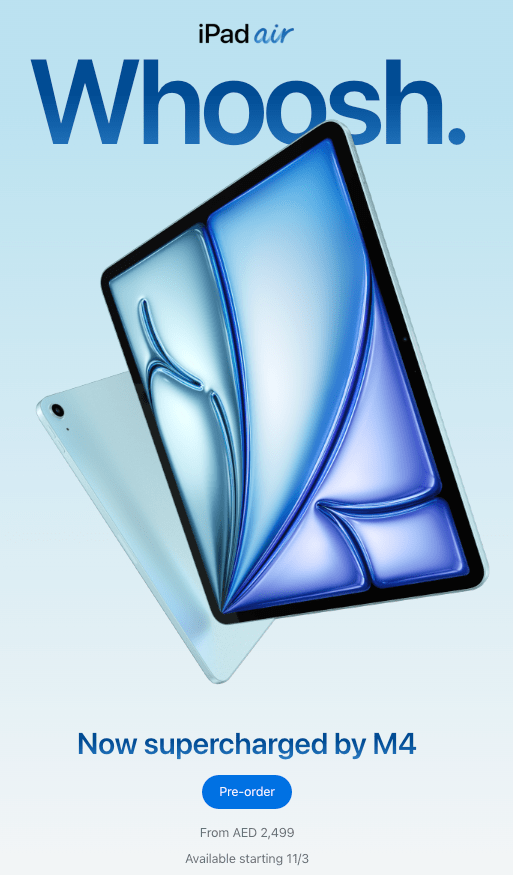
iPad Air M4 โ€” Same price, meaningfully more powerful | Image: Apple UAE

๐Ÿ“ฑ iPad Air M4 โ€” Quietly One of the Better Upgrades This Week

From AED 2,499 (11″) | From AED 3,299 (13″) | Available: March 11

The iPad Air made the jump to M4, bringing a claimed 30% performance boost over the M3 model, 12GB of RAM (up from 8GB), and the N1 chip for Wi-Fi 7. Cellular models also gain the second-gen C1X modem. All at the same price as before โ€” no increase. The extra RAM is particularly meaningful for Apple Intelligence. Design is identical to last year, but the internals are a genuine step up. Available in Space Gray, Blue, Purple, and Starlight.

The verdict: Upgrading from an older iPad Air? This is the one. New buyer? Outstanding value. (Great value โœ“)


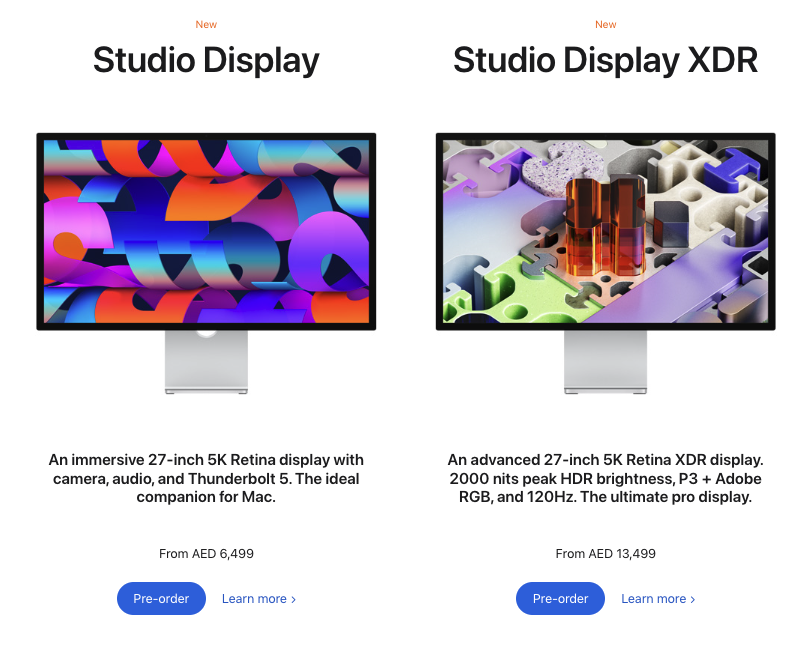
Studio Display & Studio Display XDR โ€” Apple’s best monitors in years | Image: Apple UAE

๐Ÿ–ฅ๏ธ Studio Display & Studio Display XDR โ€” Apple’s Monitor Glow-Up

Studio Display: From AED 6,499 | Studio Display XDR: From AED 13,499 | Available: March 11

Apple finally updated its display lineup โ€” and went two for one. The refreshed Studio Display gets a better 12MP Center Stage camera with Desk View, an updated six-speaker system with 30% deeper bass, and critically โ€” Thunderbolt 5 with two ports. Replaces the 2022 model. Same 27-inch 5K panel at 60Hz, 600 nits, but the connectivity and camera upgrades alone make it worthwhile for anyone building out a desk setup.

But the real story is the Studio Display XDR โ€” Apple’s successor to the Pro Display XDR, which was discontinued after seven years. We’re talking a 27-inch 5K mini-LED with 2,304 local dimming zones, up to 1,000 nits SDR and 2,000 nits peak HDR, a 120Hz adaptive refresh, P3 and Adobe RGB colour support, and Thunderbolt 5. For photographers, videographers, and colour-critical professionals โ€” this is genuinely remarkable at this price point. The outgoing Pro Display XDR cost AED 22,999. The XDR comes in at AED 13,499 with a stand included.

The verdict: Standard Studio Display is a clean everyday upgrade. The XDR is for when you’re serious. (For the serious creative โ€” worth every dirham)


So, What’s the Big Picture?

Apple just laid out a product strategy that’s genuinely fascinating. At one end, a AED 2,599 MacBook Neo running an iPhone chip โ€” clearly aimed at Chromebooks and students. At the other, a AED 13,499 Studio Display XDR for creative professionals. The middle โ€” Air, Pro, iPad Air โ€” all got meaningful, sensible upgrades.

One thing I’m watching closely: the A18 Pro in the MacBook Neo is a genuine experiment. If it sells well, we’re looking at the future of entry-level computing. That’s not a small thing.


Quick Hits โ€” What Should You Buy?

Here’s the full ecosystem breakdown โ€” whether you’re looking at this week’s new releases or rounding out your Apple setup with the current Watch and AirPods lineup.

Your SituationBuy ThisUAE Price (AED)Status
Need a Mac on a budgetMacBook Neo (256GB)From AED 2,599๐Ÿ†• New
Best all-round laptopMacBook Air M5 13″From AED 4,599๐Ÿ†• New
Power user / creative proMacBook Pro 14″ M5 ProFrom AED 9,299๐Ÿ†• New
Budget iPhone upgradeiPhone 17e (256GB)From AED 2,599๐Ÿ†• New
Best value tabletiPad Air M4 11″From AED 2,499๐Ÿ†• New
Pro display upgradeStudio Display XDRFrom AED 13,499๐Ÿ†• New
Everyday monitor for MacStudio DisplayFrom AED 6,499๐Ÿ†• New
Best everyday smartwatchApple Watch Series 11From AED 1,599Current
Budget Apple WatchApple Watch SE 3From AED 999Current
Fitness & adventure trackingApple Watch Ultra 3From AED 3,199Current
Best everyday earbudsAirPods 4From AED 549Current
Best noise cancellationAirPods Pro 3AED 949Current
Premium over-ear headphonesAirPods MaxAED 2,099Current

Note: Apple Watch and AirPods were not part of this week’s announcements โ€” these are the current lineup prices on apple.com/ae as of March 2026.


The Apple Ecosystem Has Never Been More Accessible

Here’s something worth pausing on โ€” and it’s honestly one of the most exciting things about this week’s announcements. For the first time, you can now enter the Apple ecosystem in a meaningful way for AED 2,499โ€“2,599. That’s the MacBook Neo. That’s the iPhone 17e. That’s the iPad Air. Three completely capable, Apple Intelligence-ready devices, each starting at roughly the same price point.

Not so long ago, buying into Apple meant AED 4,000+ for a laptop or AED 3,000+ for an iPhone with any real storage. That barrier locked a lot of people out. The MacBook Neo in particular is a watershed moment โ€” a proper Mac, running full macOS Tahoe, powered by Apple’s own chip architecture, at a price that competes directly with budget Windows laptops and Chromebooks. Add an iPhone 17e, AirPods 4, and an Apple Watch SE โ€” and you’ve got a genuinely seamless Apple ecosystem for well under AED 6,500 total. iMessage, AirDrop, Handoff, iCloud, Apple Intelligence โ€” all of it. If you’ve been sitting on the fence about making the switch, or you’re buying a first device for a student, 2026 just made the case a whole lot easier to make.


Everything launches March 11, and pre-orders are already live on apple.com/ae. It’s safe to say Apple has kicked 2026 off with a bang. Which one has caught your eye? Are you grabbing something or waiting for the MKBHD review first? Drop a comment โ€” I’d love to hear what you’re thinking.

Hope you enjoyed the read as much as I enjoyed writing it. Do Like, Subscribe and Share โ€” would love the support to grow and improve the Blog!

Cheers! ๐ŸŽ

Exploring Generative AI Tools for Digital Twins in the Energy Industry โšก๏ธ

As the energy industry undergoes a digital transformation, leveraging cutting-edge generative AI tools for digital twins is proving to be a game-changer. Hereโ€™s a detailed comparison of some of the most popular generative AI tools, their applications in digital twins, and their pros and cons:

1. OpenAI’s GPT-4

Applications:

  • Predictive Maintenance: Generates detailed reports predicting equipment failures.
  • Simulation Descriptions: Provides natural language explanations of complex simulation results.

Pros:

  • High Versatility: Exceptional at generating human-like text, useful for predictive maintenance and scenario descriptions.
  • Integration: Seamless integration with various platforms and APIs.
  • Accuracy: High accuracy in understanding and generating technical content.

Cons:

  • Cost: Can be expensive for large-scale deployment.
  • Data Privacy: Concerns about data security and compliance in sensitive environments.

2. Google’s DeepMind

Applications:

  • Optimization: Optimizes energy consumption and operational efficiency.
  • Predictive Analytics: Advanced algorithms for predictive maintenance and risk management.

Pros:

  • Advanced Algorithms: Superior at complex problem-solving and optimization tasks.
  • Energy Efficiency: Proven track record in optimizing energy consumption in data centers.
  • Research Backing: Strong foundation in scientific research and real-world applications.

Cons:

  • Accessibility: Limited access compared to more commercially available solutions.
  • Customization: May require significant customization for specific industry needs.

3. IBM Watson

Applications:

  • Asset Management: Monitors and predicts asset performance and maintenance needs.
  • Data Integration: Integrates diverse data sources for comprehensive analytics.

Pros:

  • Domain Expertise: Extensive experience in the energy sector, offering tailored solutions.
  • Integration: Robust integration capabilities with existing infrastructure.
  • Analytics: Powerful analytics and predictive capabilities for asset management.

Cons:

  • Complexity: Can be complex to implement and require significant training.
  • Cost: Higher initial setup and maintenance costs.

4. Microsoft Azure AI

Applications:

  • Scalability: Manages large-scale digital twin environments with cloud infrastructure.
  • Data Analysis: Provides tools for advanced data analytics and real-time monitoring.

Pros:

  • Scalability: Highly scalable with seamless cloud integration.
  • Ecosystem: Strong ecosystem of tools and services tailored for the energy industry.
  • User-Friendly: Intuitive interface with comprehensive support and documentation.

Cons:

  • Dependence on Azure: Best suited for organizations already using Azure services.
  • Customization: May need additional customization for specific use cases.

5. NVIDIA Omniverse

Applications:

  • 3D Visualization: Creates realistic 3D models of energy assets and simulations.
  • Collaboration: Facilitates collaborative work across engineering teams.

Pros:

  • Visualization: Exceptional 3D visualization and simulation capabilities, crucial for digital twins.
  • Performance: High performance for real-time simulations.
  • Collaboration: Supports collaborative workflows across teams.

Cons:

  • Hardware Requirements: Requires powerful hardware, which can be costly.
  • Learning Curve: Steeper learning curve for those unfamiliar with advanced 3D modeling.

Choosing the right generative AI tool depends on your specific needs and existing infrastructure. Each tool offers unique strengths that can significantly enhance the efficiency and effectiveness of digital twins in the energy sector.

๐Ÿ” Which AI tool do you find most promising for your digital twin projects? Share your thoughts!

Disclaimer: This article was generated by ChatGPT from OpenAI with prompts from me. The image was generated by Google‘s Gemini.

It’s interesting how much the article generated differs with the same prompt in different generative AI tools. OpenAI’s ChatGPT seems to understand my context and requirement much better than the rest. But google seems better at generating related imagery. What is a fact is that these tools will only get better (at not hallucinating) and if you are not using these tools to aid you, you will for sure be left behind. Common use cases could be summarizing text and articles, article write-ups, image generation among others. How much these tools can be trusted to do the right things is a whole other story.

#DigitalTwins #GenerativeAI #EnergyIndustry #Innovation #Technology #AI #DigitalTransformation

The Virtual World Can Not Get Here Early Enough | Oct 23

https://www.simplilearn.com/tutorials/artificial-intelligence-tutorial/what-is-virtual-reality

Preface

For those who know me, my love for consumer technology and the impact it has on daily life is no secret! This request from a colleague to share something close to me reinvigorated my passion to blog after a lengthy hiatus. Iโ€™ve made this blog post as short as possible for an easy read through; the photos are clickable, and the tech references are hyperlinked as well.ย ย 

The Virtual World today?

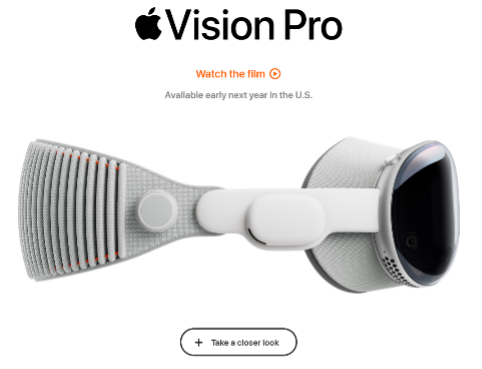
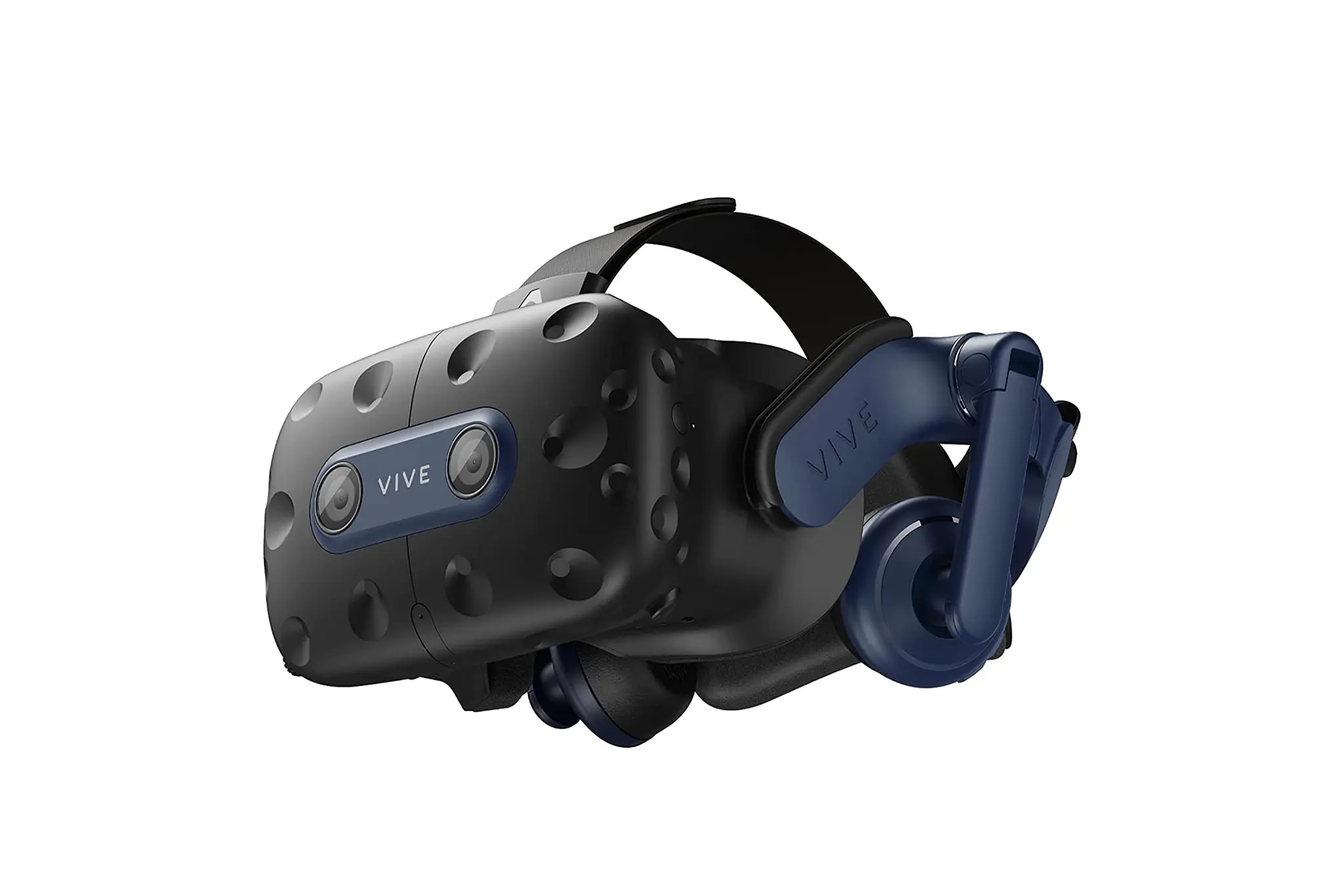
This year was a landmark year in Virtual Consumer Tech โ€“ with the launch of the premium Apple Vision Pro and the relatively & reasonably priced Meta Quest 3 brought about what I would bet is the foundation for large scale and widespread virtual reality devices. If there is one thumb rule of mine that has stood the test of time, it is that digital technology that first proliferates gaming and is a success soon moves to consumer tech world and then also to the business tech world.ย 

Hence my excitement for this technology to exponentially spread โ€“ for personal and business reasons. 

What the future holds? 

This where we get to my favorite part, speculation. As a person with vested interest on this topic, the possible use cases of the future are as follows:ย 

  • Virtual calls with someone in another country as if they are sitting next to you.
    • Would work with a merge of projects such as Googleโ€™s Projectย Starlineย combined with the above headsets.ย 
  • Another level of virtual gaming where you play paint ball (for example) against friends across great distances and feel the hits.
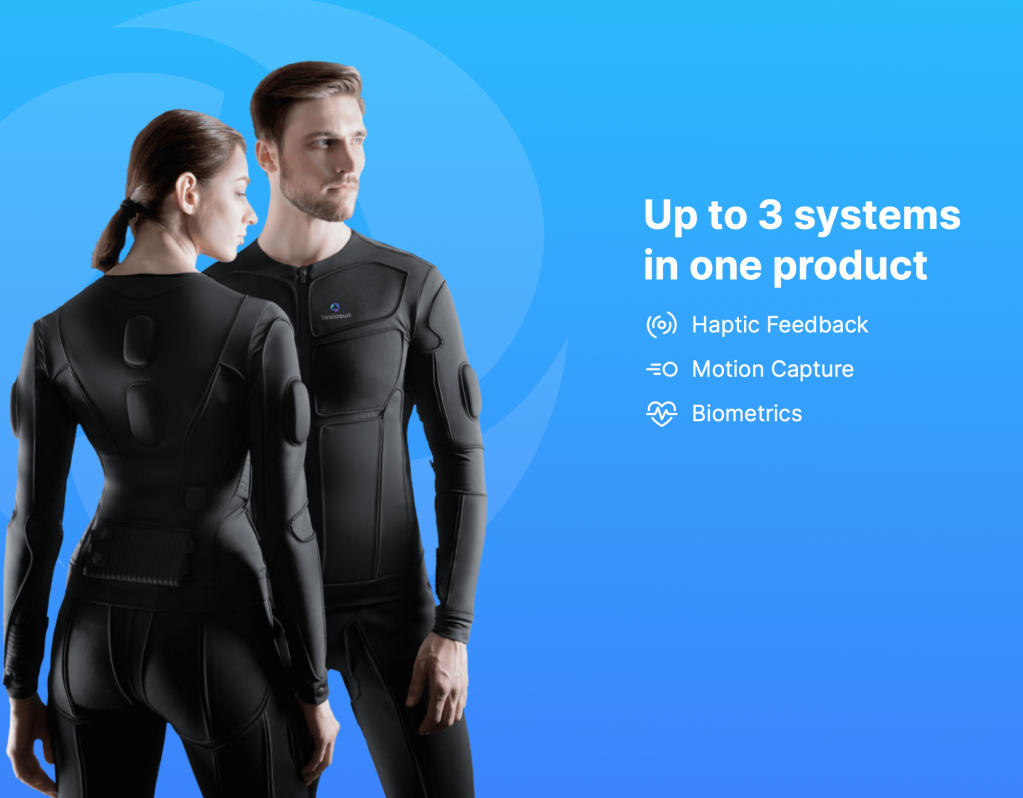
    • Would work with a merge of VR suits such as theย TeslaSuitย combined with the above headsets.ย 
  • The entertainment use case is a music concert we can all be virtually present at as if actually there.
    • Would need more immersive reality that Apple Vision Proโ€™s headset can provide and future iterations of it. 
  • Similarly, the business use case would be a technology or business conference that we can be present as across the seas without moving out of the home or office.ย 

Whatโ€™s stopping us from doing it today? 

There are a lot of the pieces of the tech puzzle that stops us from doing the above. Some of them are as below:  

  • Though we have the benchmark now in virtual reality headsets (the Apple Vision Pro) we do not have a reliable tech stack that can record and broadcast 3D environments from source to display in low latency, we still rely on 3D visualization in 2D (like high resolution TVโ€™s). Something like this requires a lot of processing of visual data that isnโ€™t yet automated for it to look 3D. 
  • We have successfully managed to transmit visuals with high fidelity, but we have not yet managed to do the same for smells and feels โ€“ which is a long way off and is required for full immersion. If this happens by recreating the sensations or via tricking the brain to feel as if we are sensing is a whole other question: technical as well as ethical. Ethical as fiddling with brain waves is still something far away from proven. Companies such asย Neuralinkย have proven this.ย 

Without speculating too much more, which I could and would like to do for days on end, the key question to be asked is around which use cases provide enough perceived value to get funding as innovations.  

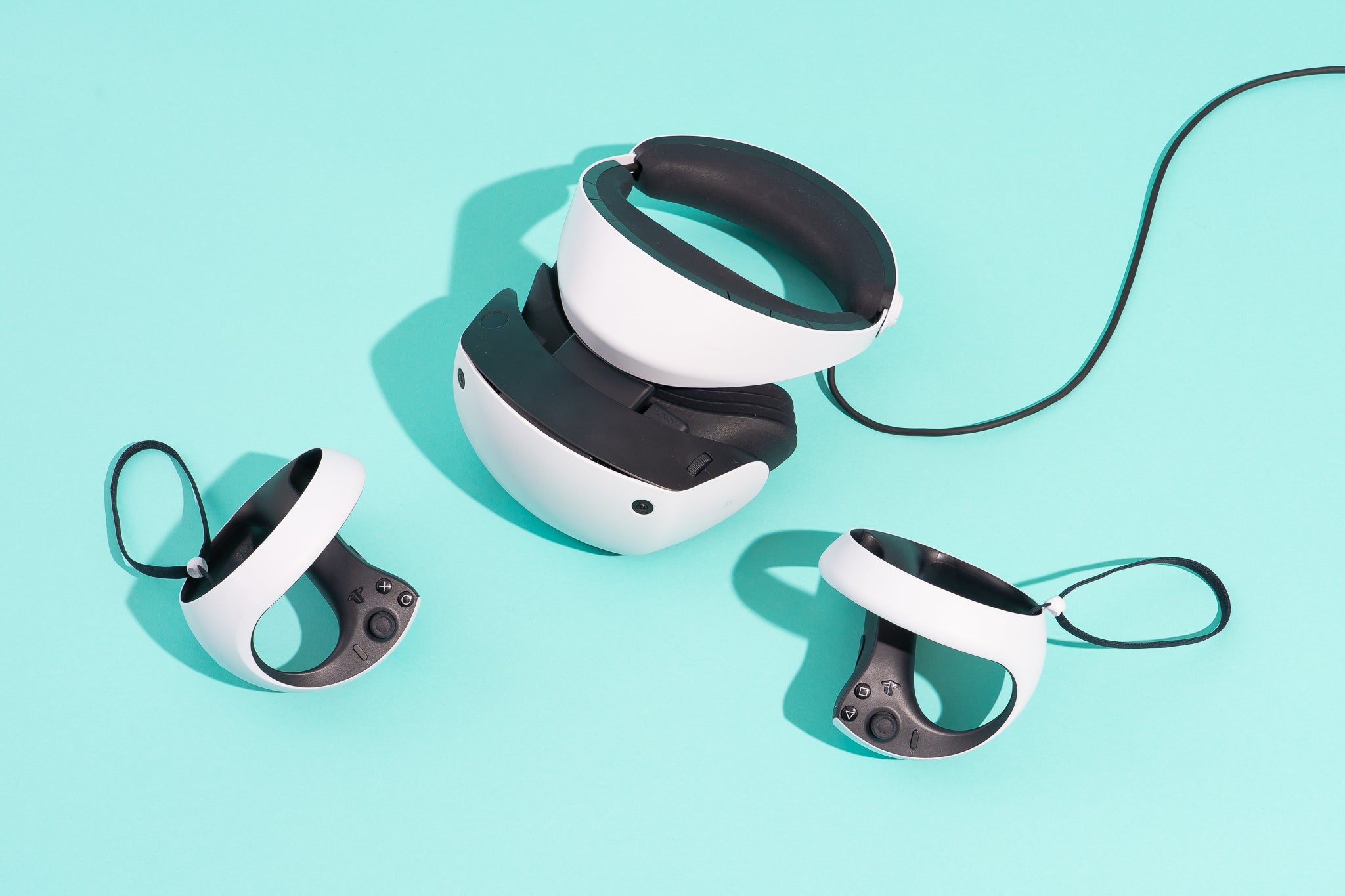
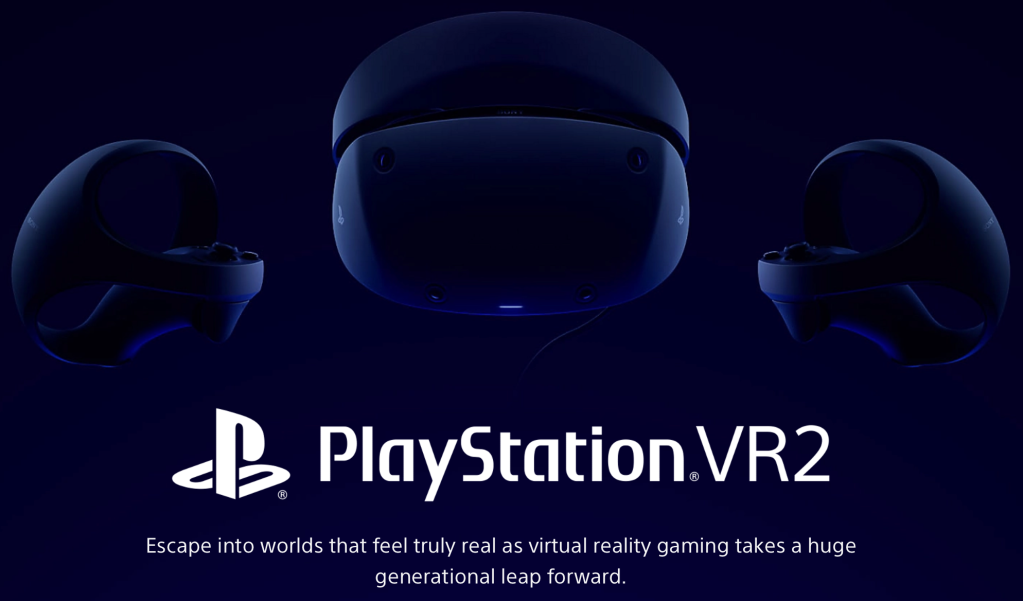
For the near term on the other hand, there is a need for focus on Form Factor and on the Virtual and Mixed reality use cases of today that will be worked on for this decade. For example, I really liked the Playstation’s focus on gaming and quality by focusing on the headset for Playstation VR2 and offloading the processing via the connection to the console itself. I also really hope and wish Google puts their foot on the gears to review the Google Glass Project.

Should it be a pair of googles or a pair of glasses like sunglasses? The best walk through of this thought is better explained by one of my favorite YouTube ‘Tech Content Creators and Reviewers” MKBHD.

There’s so much to look forward to and this gets me excited for the future on this front!

Hope you enjoyed the read as much as I enjoyed writing it. ๐Ÿ“

Do Like, Subscribe and Share โ€“ would love the support to grow and improve the Blog! ๐Ÿ’™

Cheers! ๐Ÿ™‚

Which MacBook to get? – Apr 23

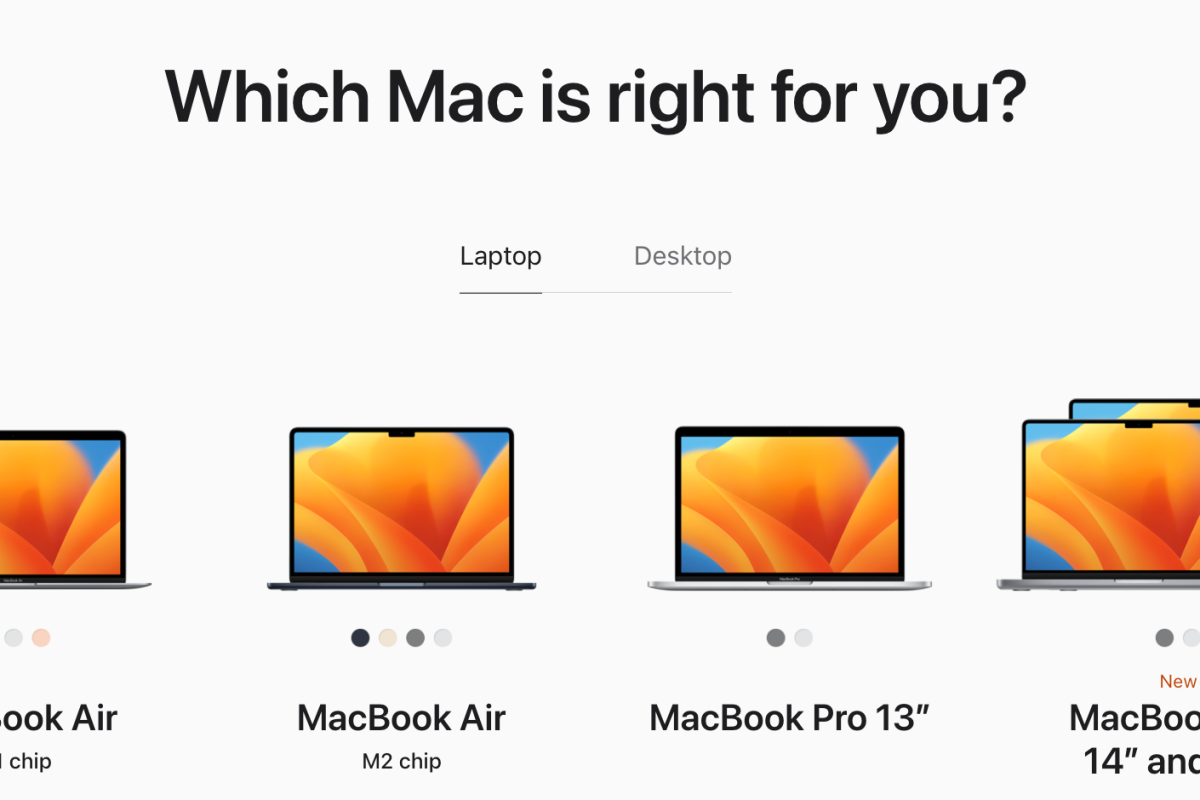
Apple is hosting its annual Worldwide Developers Conference (WWDC) from June 5 to June 9, 2023, where it will showcase the latest advancements in its software and hardware. If youโ€™re planning to buy a new MacBook before or after the event, you might be wondering which one is right for you. Here are some factors to consider when choosing the best MacBook for your use case.

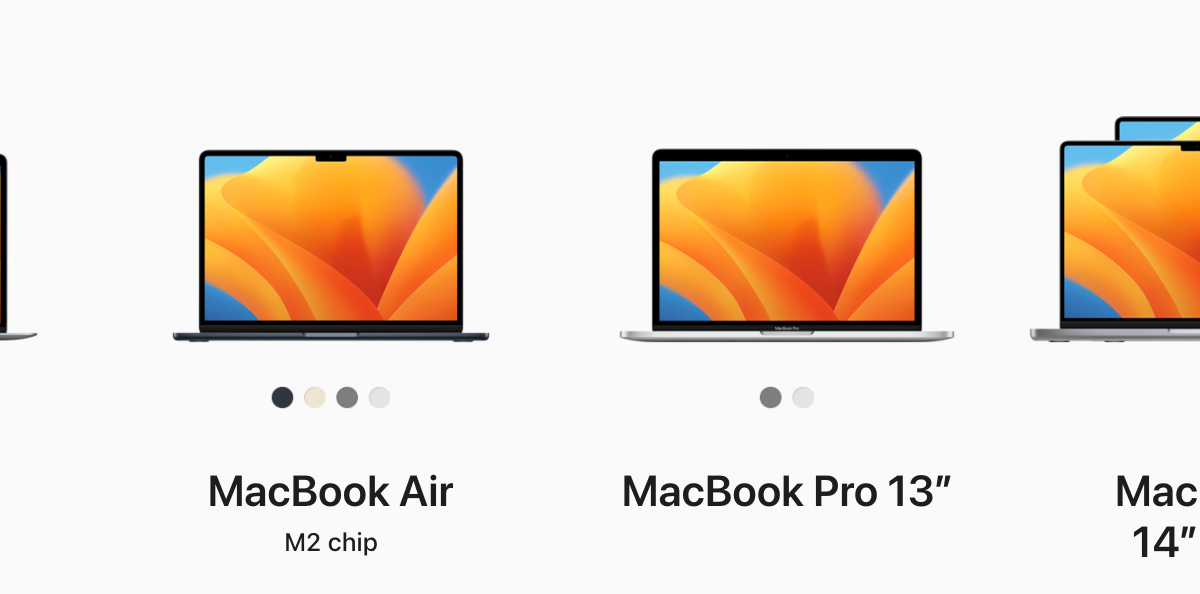
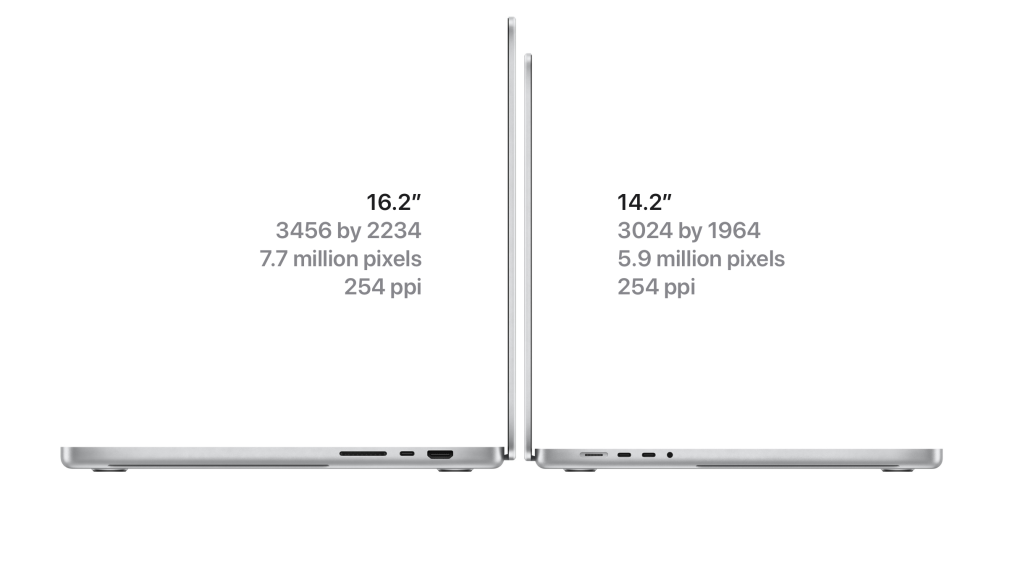
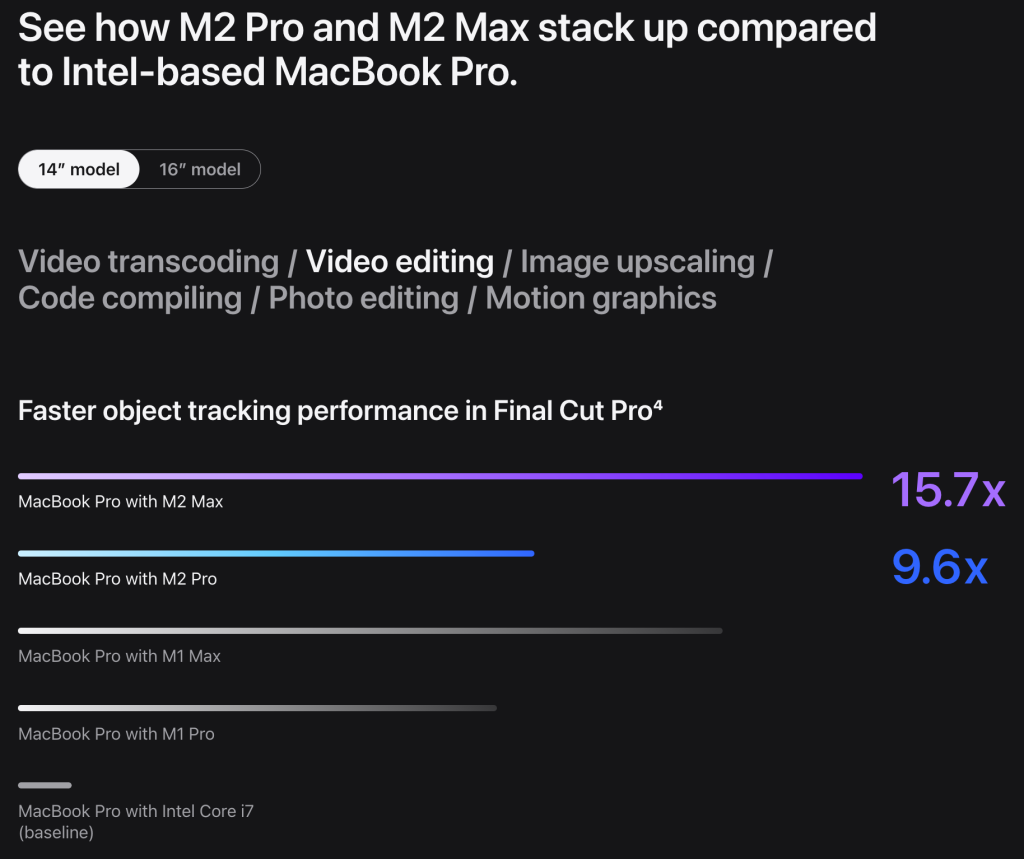
  • Performance: If you need a laptop that can handle demanding tasks such as video editing, music production, or gaming, you might want to opt for the MacBook Pro models with the M2 Pro or M2 Max chips. These offer faster performance, more memory, and better graphics than the M2 chip found in the MacBook Air and the base MacBook Pro. The 16-inch MacBook Pro with M2 Max is the most powerful MacBook available, but it also comes with a hefty price tag of $3,499 and up. You might also want to wait for WWDC 2023 to see if Apple announces a new Mac Pro with M2 Ultra chip, which could be even more powerful and customizable.
  • Battery life: If you value long-lasting battery life, you might be impressed by the M2 chipโ€™s efficiency. The MacBook Air M2 and the MacBook Pro M2 both offer over 14 hours of battery life on a single charge. The MacBook Pro M2 has the edge with 18 hours and 20 minutes of battery life, making it ideal for travelers or remote workers who donโ€™t have access to a power outlet often.
  • Design: If you care about aesthetics and portability, you might prefer the MacBook Air M2โ€™s sleek and slim design. Itโ€™s the thinnest and lightest MacBook, measuring just 0.44 inches thick and weighing 2.7 pounds. It also features a new design with thinner bezels, a larger trackpad, a comfortable keyboard, and a MagSafe charging port. The MacBook Pro models are slightly thicker and heavier, but they also offer more ports, a brighter display, and a Touch ID sensor.
  • Value: If youโ€™re on a budget, you might want to consider the MacBook Air M1, which is still available for under $1,000. It offers excellent performance and battery life for everyday tasks such as web browsing, email, and streaming. Itโ€™s also compatible with most apps and software that run on macOS. However, it has an older design with thicker bezels, a smaller trackpad, and fewer ports than the newer models.

Ultimately, the best MacBook for you depends on your personal preferences and needs. You can compare the features and prices of different models on Appleโ€™s website or check out some reviews from trusted sources before making your decision. You might also want to watch WWDC 2023 to see if Apple unveils any new products or features that might influence your choice.

The State of Mac! – Feb 23

When I wrote the article Return of the Mac! in Oct 21 there was an overwhelming feeling that the Mac was making a comeback with the new processors and the possibility of a step change in the workflow of a lot of industries. Though still considered a really high-end product for most of the industries of the world, for those in the creative industries i.e. music, movie, arts, marketing, advertising, communication, photography & graphic design – this is the device of choice. And most importantly, these are such intuitive and fun-to-use devices with most claiming this makes them so much more productive and efficient compared to any other PC.

In the last year, the company has released the 2nd Generation of their homegrown processors – the M2, M2 Pro & M2 Max and they have now clearly taken an unprecedented lead in the home computing device race due to one key factor that not many have given the importance to – battery life. Yes, the M2 series of processors are quite amazing in their computing capability and can compare to a similar beefed-up PC with a higher-than-average graphics processor but more importantly it can help you be more portable than ever before. In in this world slowly drifting towards remote now more than ever – this is one key feature that can really make all the difference. After all, you don’t buy a MacBook for gaming – but because it’s sleek, light-weight, and still powerful for 90% of the tasks required. And if you are in one of the creative fields then even more. And now with the longer battery life it lets you be more mobile without having the need to rush to a charging spot in a coffee shop or anywhere else and still be productive – and yes, even more creative.

Battery Life – the big differentiator (Courtesy Apple.com)

Having managed to buy myself top-of-the-line MacBook Pro just before the M Series processor revolution, I end up looking up the specs and stats of the newer Mac’s quite often – to see what gives me the incentive to actually spend a whole lot of money to upgrade. And now with a more budget conscious eye – look for what is actually a great deal. Keep in mind here that I am looking at the small size MacBook Air’s & Pro’s as I prefer portability for travel.

To be more specific, the sleek look, the portable size, the amazing performance, and now the incredible battery life is the ultimate combination for a laptop user on the go i.e. the M2 MacBook Air or the Pro depending on the kind of workload you expect to put your device through.

MacBook Air M2 compared to Intel (Courtesy Apple.com)
MacBook Pro M2 compared to Intel (Courtesy Apple.com)

The new MacBook Air M2 is 15 times more powerful in dealing with video editing compared to the last generation with Intel Processors. And the the New MacBook Pro M2 is almost 16 times more powerful than my top of the line intel machine from 3 years ago. And all of this while providing me a much better battery life than my device provided during the days it was new.

The best deal if you are budget concious and do not put your laptop through tough workloads is most probably the M1 MacBook Air right now and if you are not in a hurry to upgrade like me then might as well wait for the M2 MacBook Air when the M3 gets announced. If you are however looking for a powerhouse of computing for your tasks then the budget is the only limit – but do ensure to get the Pro, as that fan in the pro is the only limiting factor for Air’s to reach that level of performance.

Hope you enjoyed the read as much as I like spending time on Apple.com! Do let me know on the comments which MacBook you decided to get or if you have any questions that I can help with.

Cheers!

Apple Event #FarOut – Sep 22

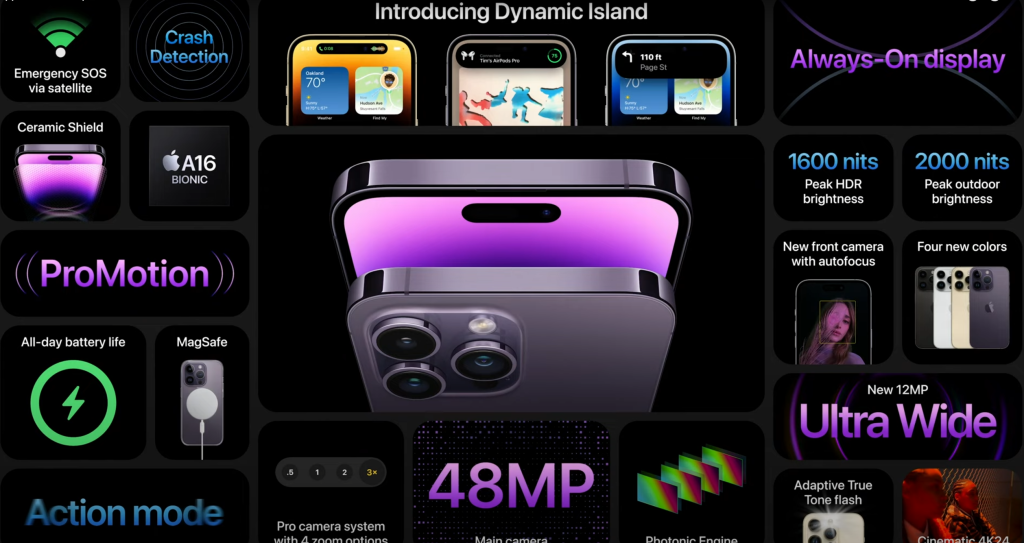
Techtober has officially begun – in late September! Apple kicked off tech season with the unveil of the Apple Watch 8, Watch SE, Watch Ultra, AirPods Pro (2nd Gen), iPhone 14/14+, iPhone 14 Pro/Pro+. All minor iterations and improvements of previous products – except for the Watch Ultra.

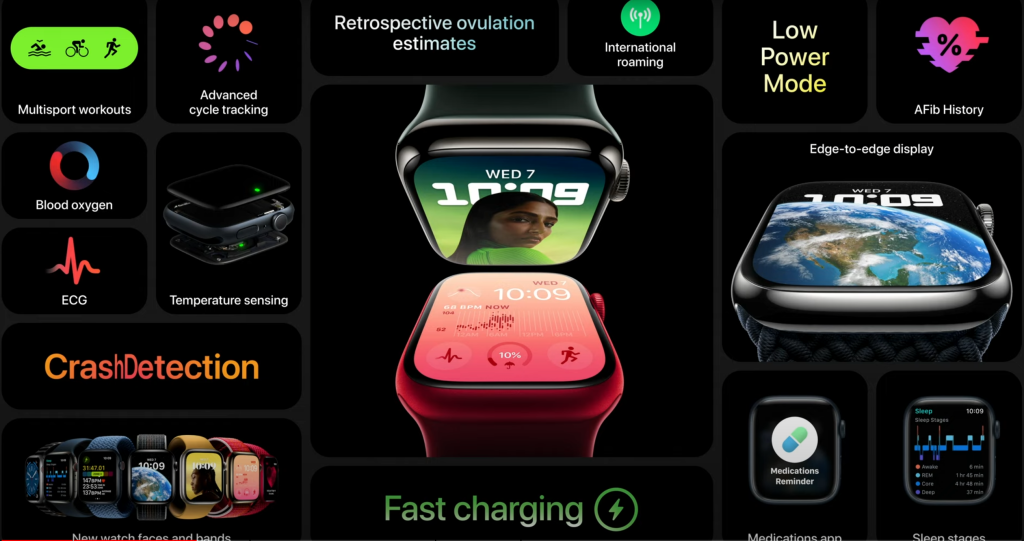
1st up, Apple Watch 8 (not worth the money)

  • Temperature Sensing
  • Low Power Mode to get 36 Hours Battery Life
  • ECG
  • Crash Detection
  • Better Fall Detection
  • Better running, swim & sleep tracking
Apple Watch Series SE

2nd, Apple Watch SE (the watch to buy if you need one)

  • 20% faster than the previous SE
  • Larger Display
  • Also, crash detection & fall detection

Finally some innovation, the Watch Ultra (just take my money!)

  • Built for athletes, extreme sports – Extreme Desert, Snow, Dive, Hiking capable
  • Improved Compass, Pro running, depth gauge
  • Customizable Action Button
  • WR100 – 40m depth – EN13319
  • MIL-STD 810 – 49mmTitanium casing covering the edges of the cover sapphire crystal display
  • Precision Dual Frequency GPS
  • Night Mode
  • 60 Hours Battery Life on low power setting
  • Track back, put map markers for key locations when hiking
Apple Watch Ultra
AirPods Pro 2nd Gen

Next up, the AirPods Pro (2nd Gen) (Not worth upgrading from 1st Gen)

  • Precision finding, alert speakers in case
  • Touch/Swipe controls
  • 6 Hours listening time, 30 hours with case charge
  • Better Transparency modes
  • Better Noise Cancellation
  • Lanyard Loop
  • Apple Watch charger compatible

Apple iPhone 14 & 14 Plus (Not worth the upgrade)

  • Photonic Engine – better photo capture, better night mode
  • Autofocus Front Camera
  • Crash Detection
  • Emergency SOS via Sattelite
  • Better camera
  • Brighter flash
  • Action Mode & Cinematic Mode
iPhone 14 & 14 Plus
iPhone 14 Pro & 14 Pro Max

Last but never the least, iPhone 14 Pro & Pro Max (Again, just take my money!)

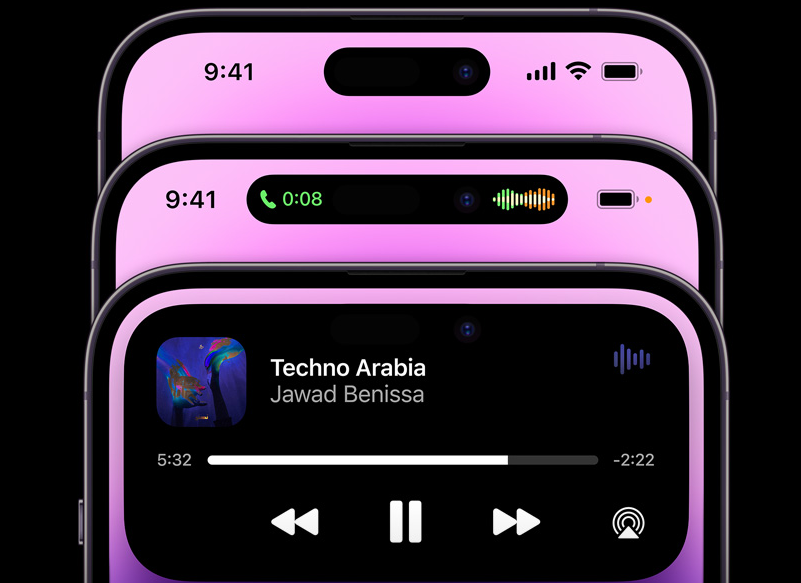
  • Dynamic Island, a pill shaped notch that opens up with quick app info – pretty creative!
  • 48MP camera, Pro camera system
  • Promotion Display
  • Always On Display!
  • 12MP UltraWide
  • A16 Bionic
  • Plus everything that the iPhone 14 has

All in, a very iterative event apart from the Watch Ultra, good iterations of course – but they have settled into the iPhone users upgrade every 3 to 4 years or more philosophy. Very far behind on the innovations compared to the Samsungs & Huawei’s on hardware and far behind Android on software – but because of the Apple EcoSystem lock-in and doing things the refined ‘Apple Way’, they always seem to stay in the game better and longer than most.

Link to the Apple Event: https://www.apple.com/ae/apple-events/

Hope you enjoyed the read as much as I enjoyed writing it. ๐Ÿ“

Do Like, Subscribe and Share โ€“ would love the support to grow and improve the Blog! ๐Ÿ’™

Cheers! ๐Ÿ™‚

Let’s talk about USB-C, & e-Waste – Jul 22

The EU this year finally ruled on USB-C being the charging standard for all Smartphones going forward from Fall 2024. The rule will also apply to other electronic devices including tablets, digital cameras, headphones, handheld video game consoles, and e-readers. Laptops will have to comply with the rule at a later date. Source: Verge Article – USB-C will be mandatory for phones sold in the EU โ€˜by autumn 2024โ€™

This would bring about such an amazing development in the Apple Ecosystem where we do not need a separate cable to charge the iPhones and Airpods we own; if only this applied to smart watches as well and the single cable for all tech dream would be finally true. But why does apple just not want to fully commit to USB-C, even though they have already seriously committed to it on the Laptop’s and iPads, something that perplexes most people; most think it is backward compatibility with existing cables that users already own, however that does not hold as true today as it did 3 to 4 years ago as almost all other devices have already standardized to USB-C or have committed to it.

There is a caveat here tho – in specific the EUโ€™s press release says the new legislation applies to devices โ€œthat are rechargeable via a wired cable.โ€ย This means the previously mentioned dream of Apple Devices going portless is a possibility as well, which would be extremely unfortunate.

  • Why did the EU do this?
  • Will the world follow suite?
    • The EU is a usual stalwart when it comes to making sensible rules that supports the well being of consumers and the world in general and hence is a good standard to follow. For example their rules on GDPR and on CyberSecurity are rules that have pushed the industry in general to hold better standards toward privacy and security of data and people. It is also worth considering for tech companies in particular that making a region specific product creates production problems and logistics issues for them and their customers as well – hence it follows that if the EU rule is a sensible one with a positive global goal, might as well follow them for the longer positive impact on the companies image as all we the bottom line.
  • Will Apple follow suite as the largest smartphone maker?
    • This however is a trickier question, as the motivations at Apple are obviously very Apple specific and not very widely known to the public. Would apple rather go the wireless way 2 years down the line rather than put in a USB-C. Was MagSafe cases and chargers for the phone and the new MacBook Air with M2 signal the move to the MagSafe strategy rather than a USB-C. Only time will tell and USB-C is not a given by any means. And Apple fans are loyal enough and tied to the ecosystem enough to follow suite.

Apple has taken positive steps such as active recycling and recycled parts and no chargers in the box which have been successful steps to reduce e-waste and also successful due to others following suite. And logic would dictate that USB-C is the best way forward for all, but is it for Apple – that remains to be seen.

Hope you enjoyed the read as much as I enjoyed writing it. ๐Ÿ“

Do Like, Subscribe and Share โ€“ would love the support to grow and improve the Blog! ๐Ÿ’™

Cheers! ๐Ÿ™‚

WWDC 2022 & the ‘Meta’verse

This year’s WWDC was not a game changing one, it was a rather iterative update on all things Apple, and probably the way Apple likes it. Post the M1 in-house customer silicon and the upgrades of M1 Pro and M1 Max, they did come up with the M2 which is more powerful and helps a battery last longer – can’t wait for the time my MacBook Pro gets old and I can upgrade to the latest at the time; kinda sad that I got the most powerful 13″ of the intel generation with all the bells and whistles just before they switched to M1 – that is what I would call unfortunate timing. Still love all my Apple gadgets.

Source: Apple.com

All of this only gets me thinking of what’s the next big step, is the update only iterative or is it a piece of a bigger puzzle that we do not yet see. Think about it, all that power in a little chip with the efficiency & battery life in that small form factor – could it be to power some other experience apart from just being an efficient video & photo editor. And that brings us to the next big thing on the horizon, the Metaverse – Virtual and Augmented worlds of the future which will be the next iteration of Social Media and bring it to a whole new digital level.

The way I see it the overall journey is a long way away –

  • first the world builds virtual worlds, as that is a lot easier first step as I understand it
  • then we get better at building those worlds in terms of resolution, quality and our interaction with the virtual world
  • all this buys us some time to develop the augmented tech that would better understand how to place digital objects in real life i.e. are we projecting into the world or into our eyes so we see it in the world or is there a 3rd option we haven’t even thought of? The answer is very unclear as we have a lot more to develop in order to get there
  • next with augmented tech comes new challenges to overcome such as interaction, how to better understand depth perception, interaction of the digital with the real
Source: Facebook.com

Such exciting things to look forward to and some people betting their companies on the promise of such a massive business case that the risk is worth the reward to be the first mover in this technology and industry. And the industry that makes the first foray successfully ends up defining the market. And that really bothers me some days, our entire virtual worlds formed and defined by a company that makes money currently via social media and selling our personal information – shudder at the thought. Talking about Facebook (now Meta) incase you are still left wondering. They are a software company that are making the biggest push in hardware ever in a ‘bet the company’ moment their CEO is having.

On the other hand we also have a contender in Apple, that says it is all about privacy which ensures some scrutiny on them ensuring they follow that path. It is a company that builds good technology and believes in privacy, if these two are my only choices then I of course choose the latter. However, it still feels the world is quite helpless that we have only the big juggernauts that can take a crack at this problem and even if smaller disruptors enter the market with an actual feasible challenge, they most probably get bought up and absorbed by the big players. It’ll of course be unbearably expensive, but any product that Apple makes in the Virtual or Augmented reality space will be an amazing contender based on their track record of hardware, software and their integration.

Source: Playstation.com

As my first foray into testing this technology out I am looking forward to the Playstation VR2, a new and improved version of the Playstation VR that promises a higher resolution, eye tracking and better interaction capabilities via new design of controllers. Might seem like a small insignificant step in gaming but it is the best use case as of today for Virtual Reality and its success propels the success of the industry.

As glued as we are to our screens, this technology will probably have the biggest impact on our lives as this will be the next screen we use to meet friends, watch movies, play games, work and experience new places and things. Looking forward to what happens next!

Hope you enjoyed the read as much as I enjoyed writing it. ๐Ÿ“

Do Like, Subscribe and Share โ€“ would love the support to grow and improve the Blog! ๐Ÿ’™

Cheers! ๐Ÿ™‚

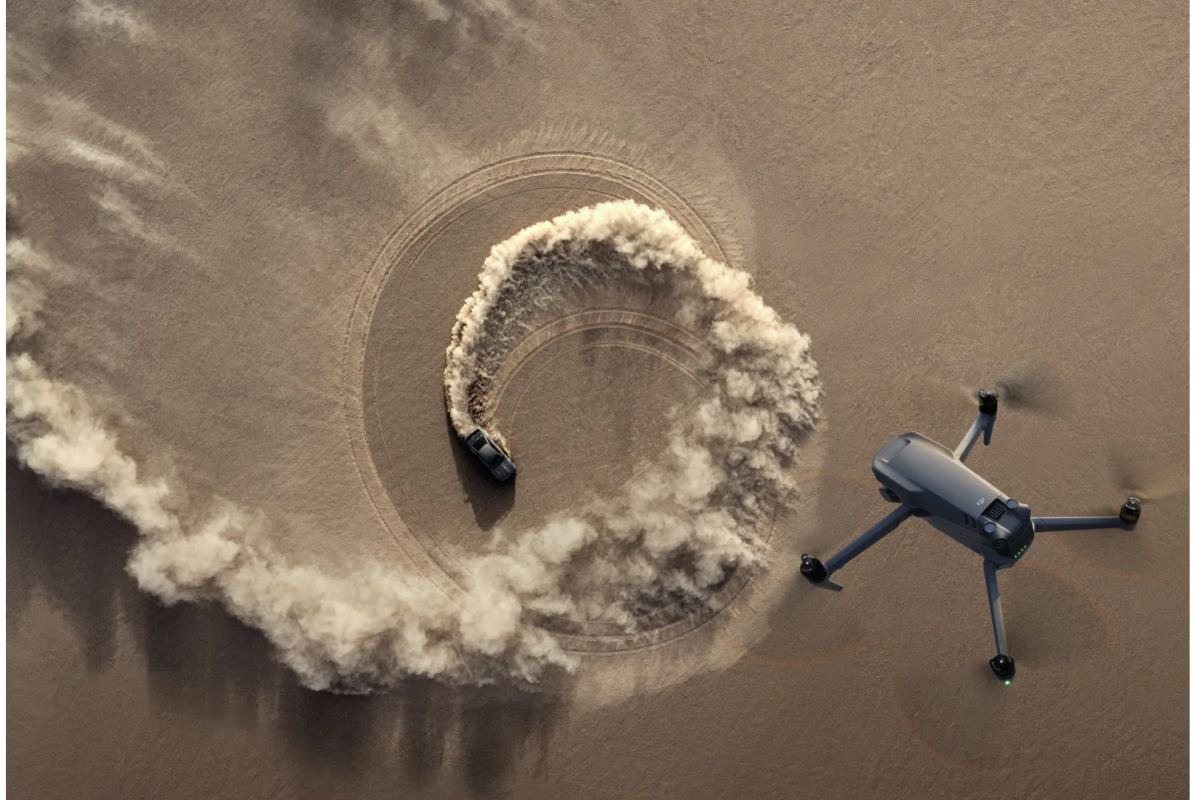
DJI Mavic 3’s are out! – Travel Tech – Nov 21

The weather’s improving, a good time to start traveling plans locally and globally – a key part of travel tech? Those awesome drone shots that just zoom out and around you. Let’s see how the DJI’s new drones help us novice’s become pro videographers!

What got launched?

  • DJI Mavic 3 @ $ 2,199 (Fly More Combo)
  • DJI Mavic 3 Cine @ $ 4,999 (Cine Premium Combo)

Whoa! Expensive – Yup, this lineup is definitely not for the casual traveller but rather the enthusiast and the travel vloggers amongst us that are rather increasing in numbers of late due to the influencer ‘epidemic’ so to speak. Haha.

What do we get for that price?

DJI Mavic 3

DJI Mavic 3 Cine

  • 4/3 CMOS Sensor Dual Hasselblad Camera System
  • 4K at up to 120FPS
  • 20MP Photos
  • Hybrid Zoom 28X Digital
  • 162mm at F/4.4
  • 46 Min Flight Time compared to 31 min of Mavic 2 & Air 2
  • Omnidirectional Obstacle Sensing
  • Apple ProRes 422 HQ Footage at 5.1K uptown 50FPS
  • 1 TB SDD Inbuilt
  • Plus everything on the Mavic 3

The new drones have some great camera improvements and also an improved omnidirectional object avoidance that can detect objects 200m away. This enables some incredible features such as advanced RTH (Return to Hand) that finds a better route back, better active tracking to follow and chart a path around you, APAS 5.0 (Advanced Pilot Assistance System) that help guide it effectively past complex path’s as it follows and an Explore Mode that uses the tele camera to effortlessly scout and plan your shots.

This coupled with Wi-Fi 6 quick transfer and a great accessories ecosystem makes this the drone to beat. The combo’s packs provided for the price mentioned above also make it a complete package in one for travel.

The DJI RC also helps make it as effortless as possible to maneuver the drone, the portable charger, wide angle lens and the cellular transmission dongle help make it more portable and travel further than before.

If you are considering a drone and have the money to spend, you cannot go wrong with this one!

Hope you enjoyed the read as much as I enjoyed writing it. ๐Ÿ“

Do Like, Subscribe and Share โ€“ would love the support to grow and improve the Blog! ๐Ÿ’™

Cheers! ๐Ÿ™‚

One Phone to rule them all? – Pixel 6 Launch – Oct 21

Google finally did it! They launched an actual smartphone worthy of competing with the big shots in the industry. Though their focus is on their technologies – AI-based – it shows some actual interest in competing, which should excite all of us. Read on for more.

We should not mistake this for a full-blown competition with the smartphone market leader, not yet at least, as the iPhone has an ecosystem backing it which makes it sticky i.e. makes it difficult for someone to leave the iPhone behind. The way it works with the AirPods, the Apple Watch, the Mac. There is evidence for this to actually happen though as there are products in the market and all we need is software to make it all work together – which might very well be the next most logical set for Google to pursue. Which in all honesty is exciting! The Pixel Slate, the Pixel Book, the acquisition of FitBit, Google Buds – it all makes sense now! Let’s get back to the topic du jour for now – the Pixel 6 and 6 Pro – Google’s new flagship phones that have dedicated large scale marketing dollars promoting it, something rather rare for Google to do.

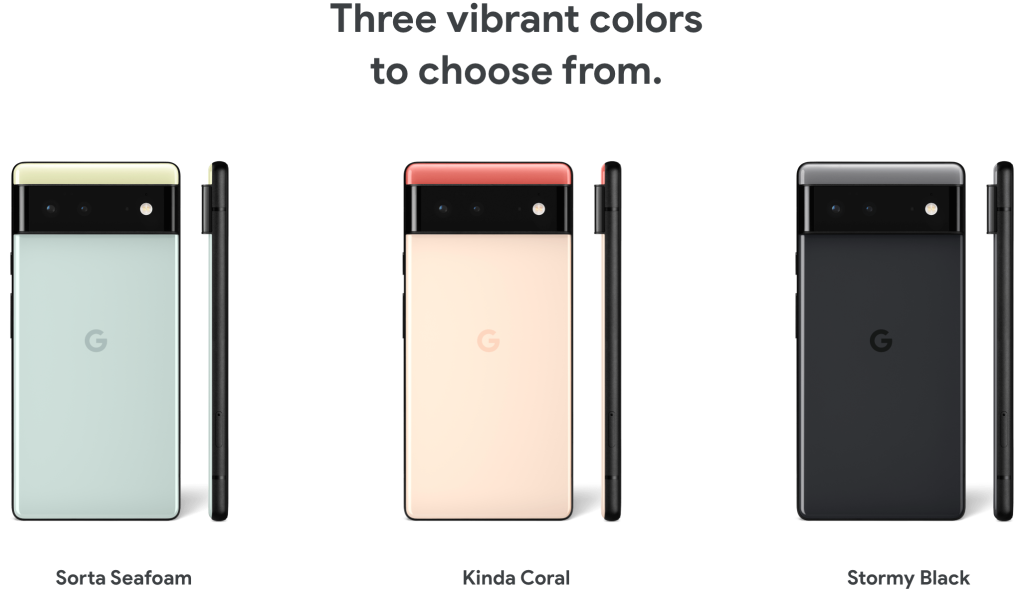
The Pixel 6 & Pixel 6 Pro

Launched mid-month in October, this is what they look like …

Pixel 6

Pixel 6 Pro

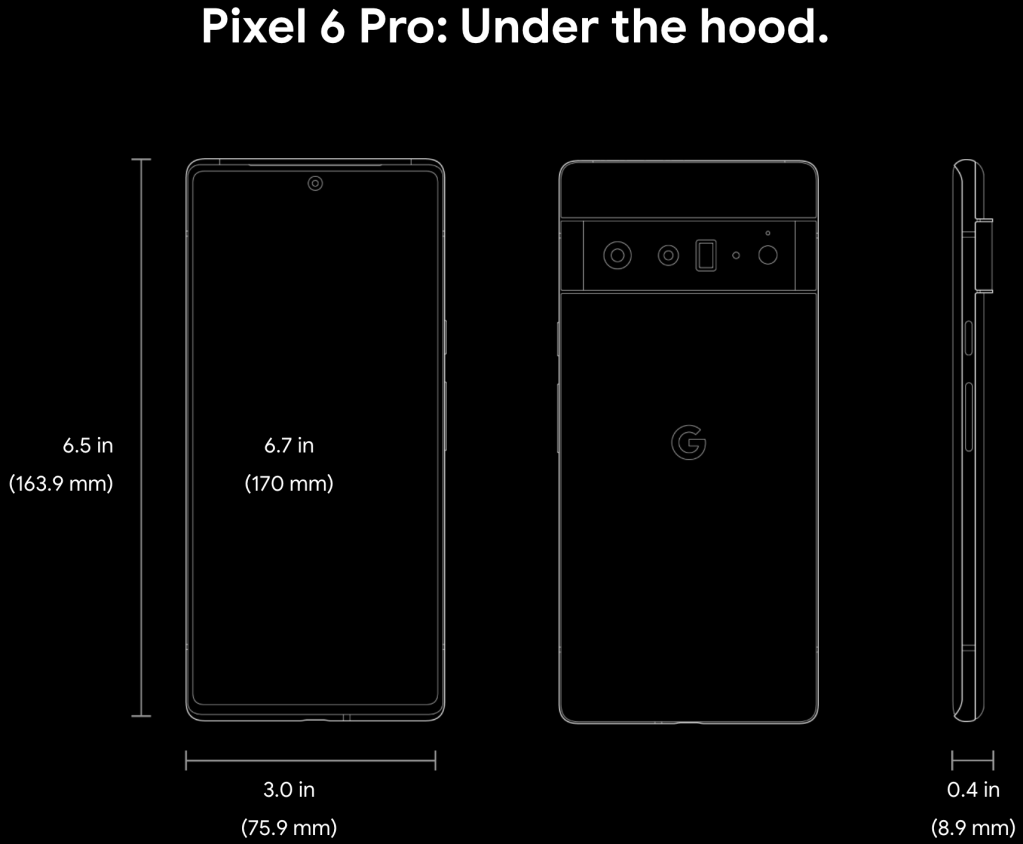
The difference between them is quite minimal, to be honest for the price difference – both of these are still are compelling buys:

Pixel 6 from $599

Pixel 6 Pro from $899

  • Screen
  • 6.4″, FHD+ OLED, 90 Hz
  • 6.7″ , QHD+ OLED w LTPO, 120 Hz
  • Battery
  • 4614 mAH with fast charge, fast wireless charge, battery share
  • 5003 mAH with fast charge, fast wireless charge, battery share
  • Camera’s
  • Rear: 50MP Main, 12MP Ultrawide
  • Front: 8MP
  • Night Sight, Portrait, Super Res Zoom, Motion Autofocus, Motion Mode, Magic Eraser, Face Unblur and more
  • Rear: 50MP Main, 12MP Ultrawide, 48MP Telephoto
  • Front: 11.1MP Ultrawide
  • Night Sight, Portrait, Super Res Zoom, Motion Autofocus, Motion Mode, Magic Eraser, Face Unblur and more

The Good?

The big announcement here isn’t even the phones – it’s a custom SOC (System on Chip) – called Tensor, similar to how Apple has the A-Series chips for its iPhones. And this chip will help make this a pure ‘Google’ phone – faster processing for AI-enabled features such as image and video processing, Live Translate for conversations, Dictation, Google Assistant, faster performance, and better gaming.

Google already had one of the best camera’s since the Pixel launched with a frankly bad image sensor which hadn’t changed for the past 4+ generations of the phone, this time around they have updated this sensor so expect much better photos and videos – though this is a work in progress as the software still needs to be tweaked further a little bit to take better advantage of the new sensor. It still has tough competition from the iPhone as it hasn’t necessarily competed in the market for a while and had been absent from the premium phones lineup completely for a while.

There is a new motion mode to have objects in the background with long exposures and a magic eraser in the edit mode to remove subjects from the photo that you do not want there. Both of these features alone are going to make the Pixel 6 series the standout phone for photos.

The more google features, however, work better than ever – you can now have flawless and fast transcription with good grammar too without effort; you can also speak much more fluently with someone whose language you do not speak. Live translate via the camera works blisteringly fast too.

The screen has a 90 Hz display for the Pixel 6 and 120 Hz for the 6 Pro now too for that smooth scrolling action and gaming. This coupled with a fast charge (50% in 30 min), Adaptive Battery, Underscreen Fingerprint Unlock, Extreme Battery Saver Mode, IP68 Water & Dust Resistance, Titan M2 Chip for security, battery sharing, and higher peak brightness only make the case to buy this more compelling at the price.

The Bad?

This would be an empty section if not for Google’s claim that this is the new smartphone king contender – well, not in those exact words, but almost that.

The expectation from Google’s photography capabilities are some of the highest there are – due to the benchmark that the Pixel 2 set. However, now with the new image sensor, they are still auto compensating for the images as they would with the old sensor; this needs to be improved upon and something that can be done with just software and hopefully soon.

The Material UI feels unpolished and needs to be improved upon to feel cohesive with the overall capabilities of the phone to make the OS simpler to use. The default assistant features when you slide to the side need to show more useful information.

The Ecosystem is lacking overall – however, with the Pixel Buds, Slate, PixelBook, FitBit – there is an obvious and real opportunity to make a real contender against the Apple Juggernaut.

The Verdict?

If you are looking to switch from an Apple Ecosystem and have the money to do it – the case hasn’t been made as of yet. But if you are in the market for an Android Phone – this is the best there is, hand’s down. It’s the most Googley Google phone out there and you simply could not do better. We just need to see some long-term commitment and investment from Google to make it all work cohesively and also that this isn’t one of those side projects that Google is just trying out as it has with Pixel in the past.

Hope you enjoyed the read as much as I enjoyed writing it. ๐Ÿ“

Do Like, Subscribe and Share – would love the support to grow and improve the Blog! ๐Ÿ’™

Cheers! ๐Ÿ™‚

Return Of the Mac! – Apple Event – Oct 21

Techtober is in full swing as of mid October as we had long awaited product reveals from Apple and Google, all of this in one week too. First up, we look at the long awaited MacBook Pro event where Apple announced their new lineup of M1 MacBook Pro’s and the new generation of AirPods (3rd Gen).

What did they announce?

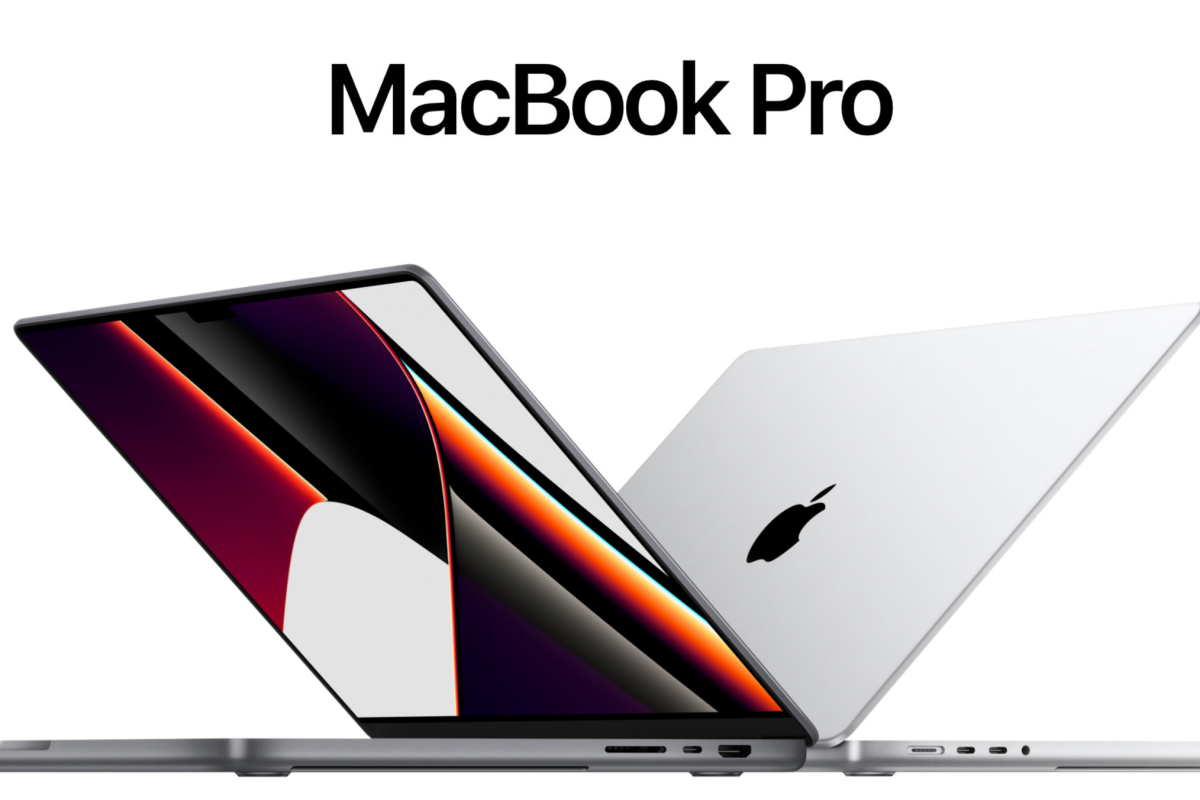
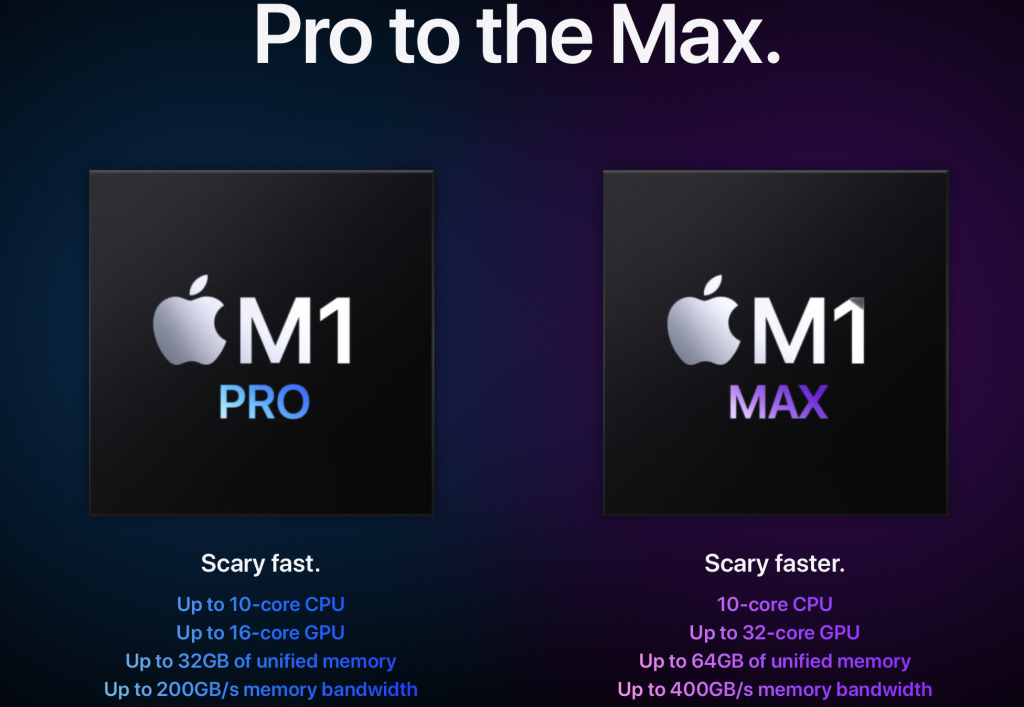
  • MacBook Pro 14″ & 16″ with the M1 Pro & Max Chips
  • AirPods 3rd Generation

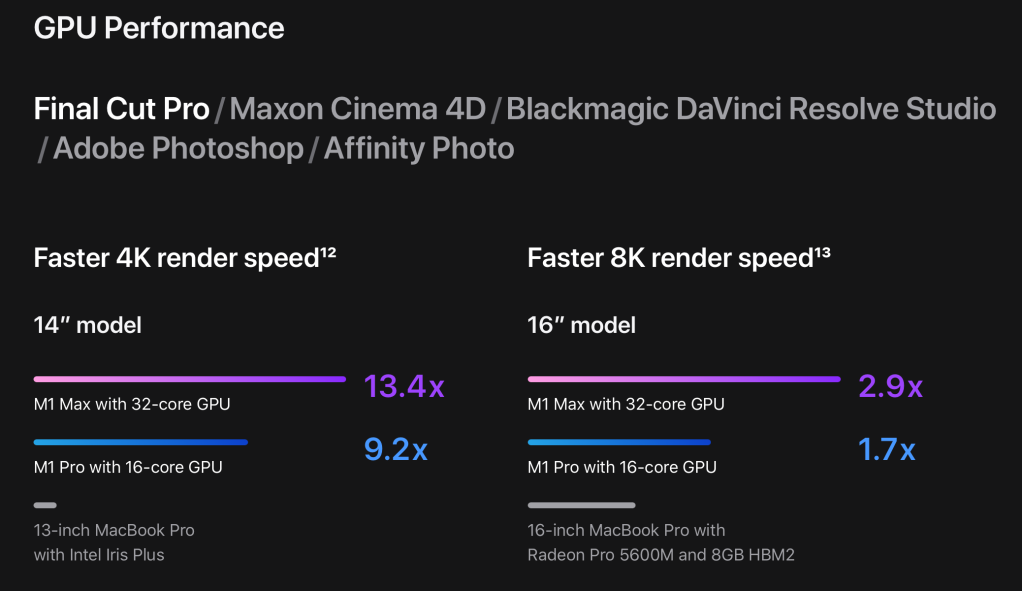
Though the event was for the MacBook Pro’s the real stars were the new M1 Chips designed for the Pro’s – the M1 Pro and the M1 Max – WHY? Because these chips beat the already industry leading M1 MacBook Air’s which in turn leave almost all laptops in the same price range in the dust. And not to mention Mac’s last you twice or thrice as long as Windows Laptop’s on average.

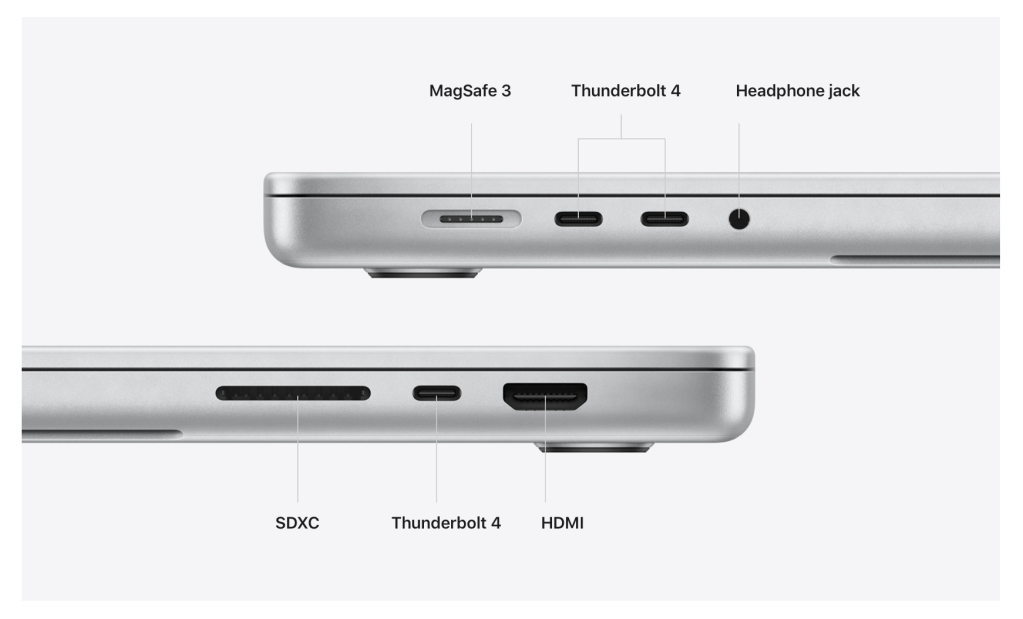
Oh and yes, they brought the ports back .. the new Pro’s come with HDMI and SD Card Ports – apart from Thunderbolt and MagSafe Ports. Yup, MagSafe charging for Laptop’s is back too now.

Overall, these laptop’s are amazing value for money if you are someone who already have an older MacBook Pro and do a lot of video editing or programming that needs performance. The only thing missing now is gaming and games compatibility for AAA Titles for these laptops.

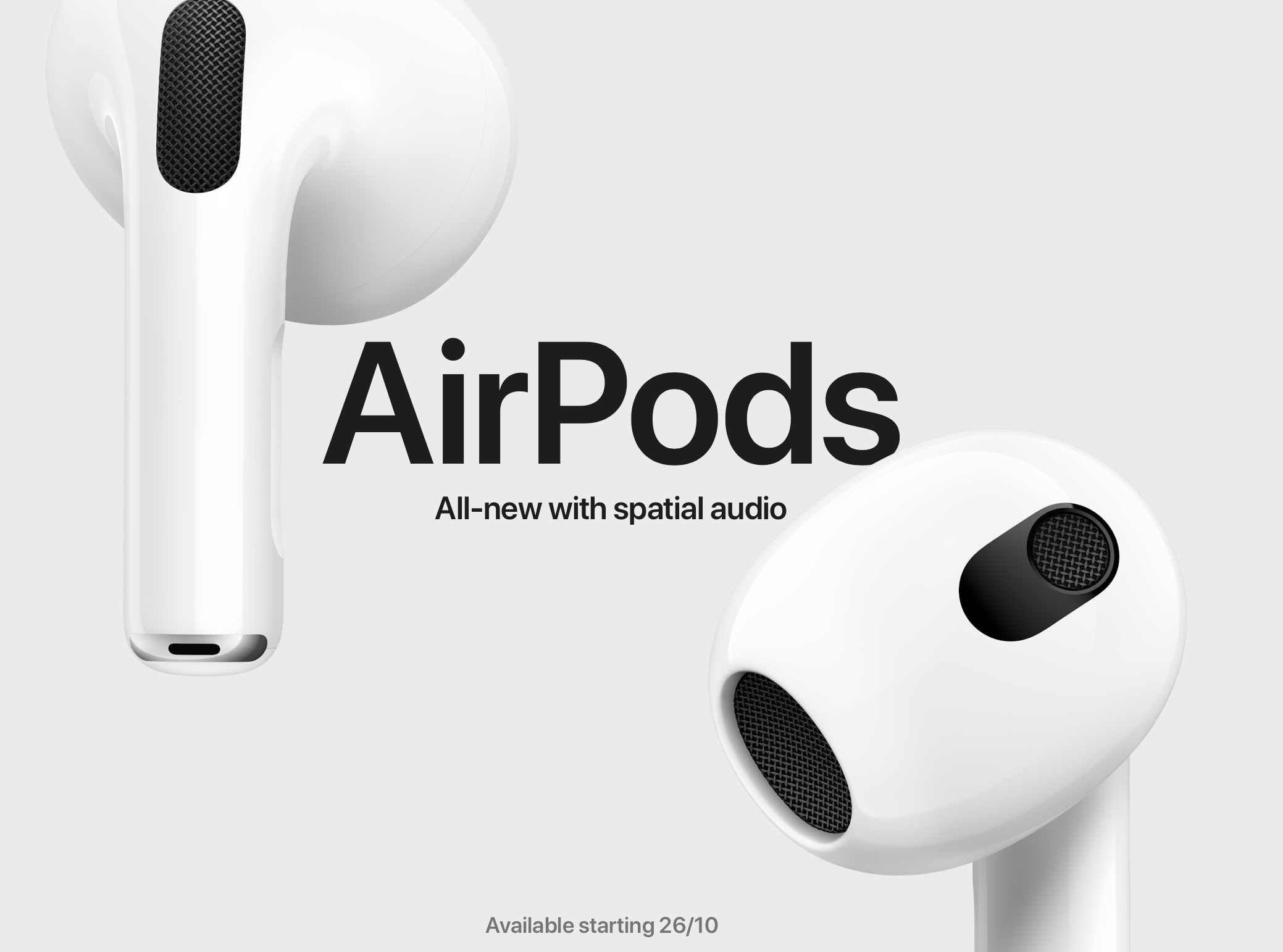
They also announced new AirPods – and try not to confuse this one. If you remember the original AirPods then these are the next (3rd Gen) of those. Yes, they look like the AirPods Pro and you could also call them cheaper Pro versions too, sure.

The main thing about these is the improvement in battery life as well as the introduction of Spatial Audio – which is awesome I tell ya. The only thing missing is the Transparency and Noise Cancelling modes which are still a Pro feature.

Hope you enjoyed the read as much as I enjoyed writing it. ๐Ÿ“

Do Like, Subscribe and Share – would love the support to grow and improve the Blog! ๐Ÿ’™

Cheers! ๐Ÿ™‚

Windows 11 is here .. well, kinda! – Oct 21

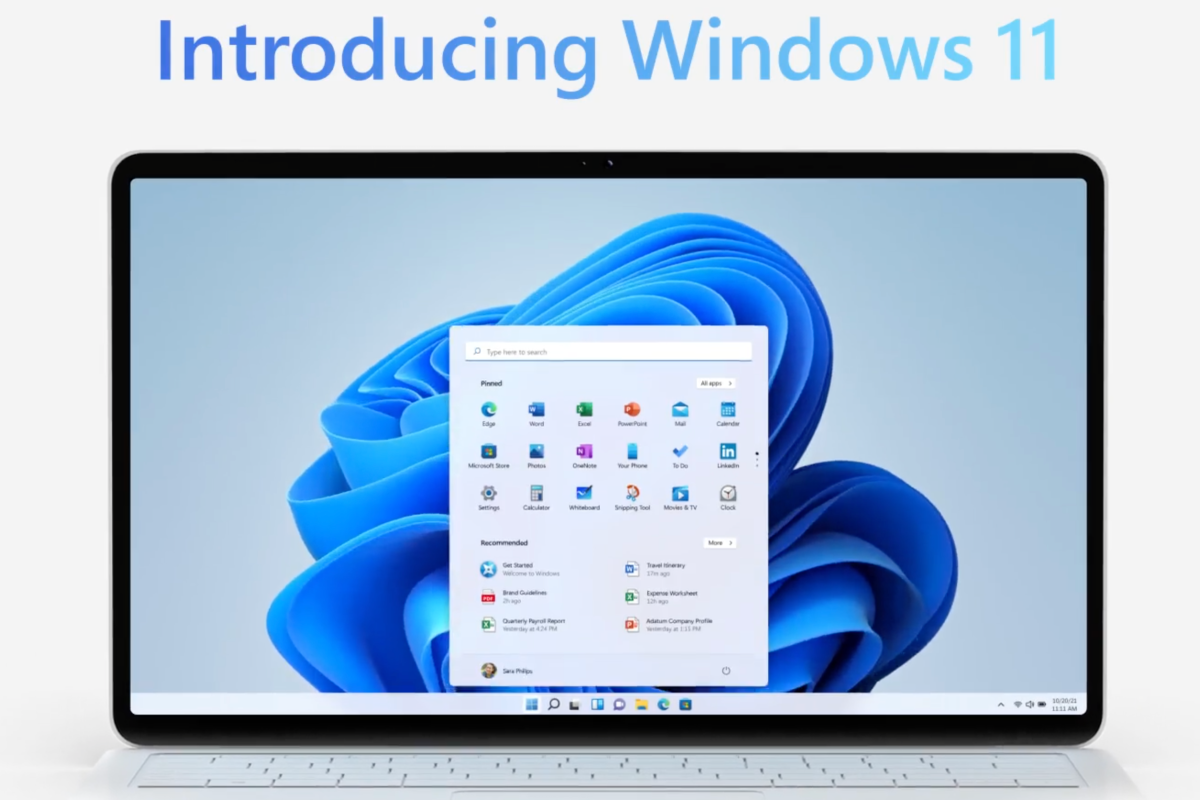
They said Windows 10 was the final version of Windows, they said it would just be updates from here on out! But lo and behold – here’s a refreshed visual design of Windows being called the next generation of Windows .. read on to know more.

What’s new?

  • New Start Menu & Visual Changes to the interface
  • New Widgets Menu – with quick glance information
  • New Settings Menu – easier to use
  • New Snap Assist Tool – to easily position your windows into sections of the screen
  • New Microsoft Store & XBox Apps
  • Work in Progress updates:
    • Support for Android Apps
    • Support for Direct Storage for Games
    • Performance updates for Games

Should you update?

As tempting as it may be to update, I would recommend that you wait a few months for all the bugs to be smashed and for the teething issues in the interface and guts of the software to be sorted.

To summarize as of now though, there is not much in terms of new and noteworthy in the performance or the visual redesign.

If you have a 3 years or older desktop or laptop however, I would recommend to definitely hold as there are some compatibility software updates that need to be resolved. Even probably

The Details? Mostly good, some bad.

As much as the Windows team have tried to ensure that they do not copy MacOS, there are quite a few ideas taken straight from there. However, as soon as you click that start icon – which now is in the bottom center of the screen – you see that you are still using Windows.

  • Start Menu:
    • The center start menu now opens up to an app gallery where you can pin favorite apps right up to, it also features a search bar right up top with buttons to take you to all apps installed and also a button to get you to recommended i.e. recent files.
    • Plus the Shutdown, restart button and settings icon – all of which can be customized along with shifting start to the left similar to the old way.
    • You can also pin apps to the taskbar for easier access similar to Windows 10.
  • Visuals:
    • Rounded Corners, refreshed icons, emoji’s and overhauled + simplified look
  • Widgets:
    • Widgets now slide from the left side out and has some prebuilt widgets – however, something I rarely used (called tiles in Windows 10), and I don’t see the appeal, function or use of it still – time will tell.
    • Currently you can add the below, but no 3rd Party apps:
      • Outlook Calendar
      • To Do
      • Photos
      • Tips
      • Entertainment
      • Family Safety
      • Weather
      • Watchlist
      • Plus a newsfeed at the bottom
  • Settings Menu:
    • Easier to use and Navigate compared to before making it faster to change via the quick access to the left side of the window
    • Light Mode and Dark Mode Options + plus switching without reloading the window like before
    • You will also be able to switch on Auto HDR if you have a monitor that supports it
  • Snap Assist:
    • This is something they have copied from the Mac and improved upon in my opinion where the windows snap as before as well as you have snap layouts that fit your open windows into some useful preset options
  • Microsoft Teams and Messages are now one app:
    • They have updated Teams to now handle SMS messages so you can send and receive messages from the app on your desk
  • The Bad Stuff:
    • Cannot drag files into the task bar folders and apps as before
    • There are still barebones of Windows of the past still visible via the Command Prompt, Task Manager and some other windows some of which do not even switch on the Dark Mode switch
    • Only the primary monitor displays the easy access icons on the bottom right such as time, date, battery, bluetooth etc. The rest of the monitors do not.

Work in Progress updates !!

  • Performance Improvements:
    • There were supposed to be performance improvements with the introduction of Windows 11, however, as of now this doesn’t seem to have made any noticeable changes
  • Android Apps:
    • This is purely a workaround, but there will soon be an Amazon App Store that will have it’s own collection of Android Apps that you will be able to access via that store; how well these apps work and perform however is something that we need to wait and watch
  • Direct Storage Access:
    • Provided Games support it (which most don’t currently) the data can be loaded directly from the SSD via the GPU rather than the CPU which would result in much faster load times, which will have a significant boost incase you do not already have SSD’s

With all of this and more, hopefully Windows has a much better time going forward – keep in mind, every alternate version of Windows has been a disaster – Windows 8, Vista, ME; so this has a lot of history going against it.

Hope you enjoyed the read as much as I enjoyed writing it. Do like and subscribe for more.

Cheers! ๐Ÿ™‚